Biology Coloring Book Pages
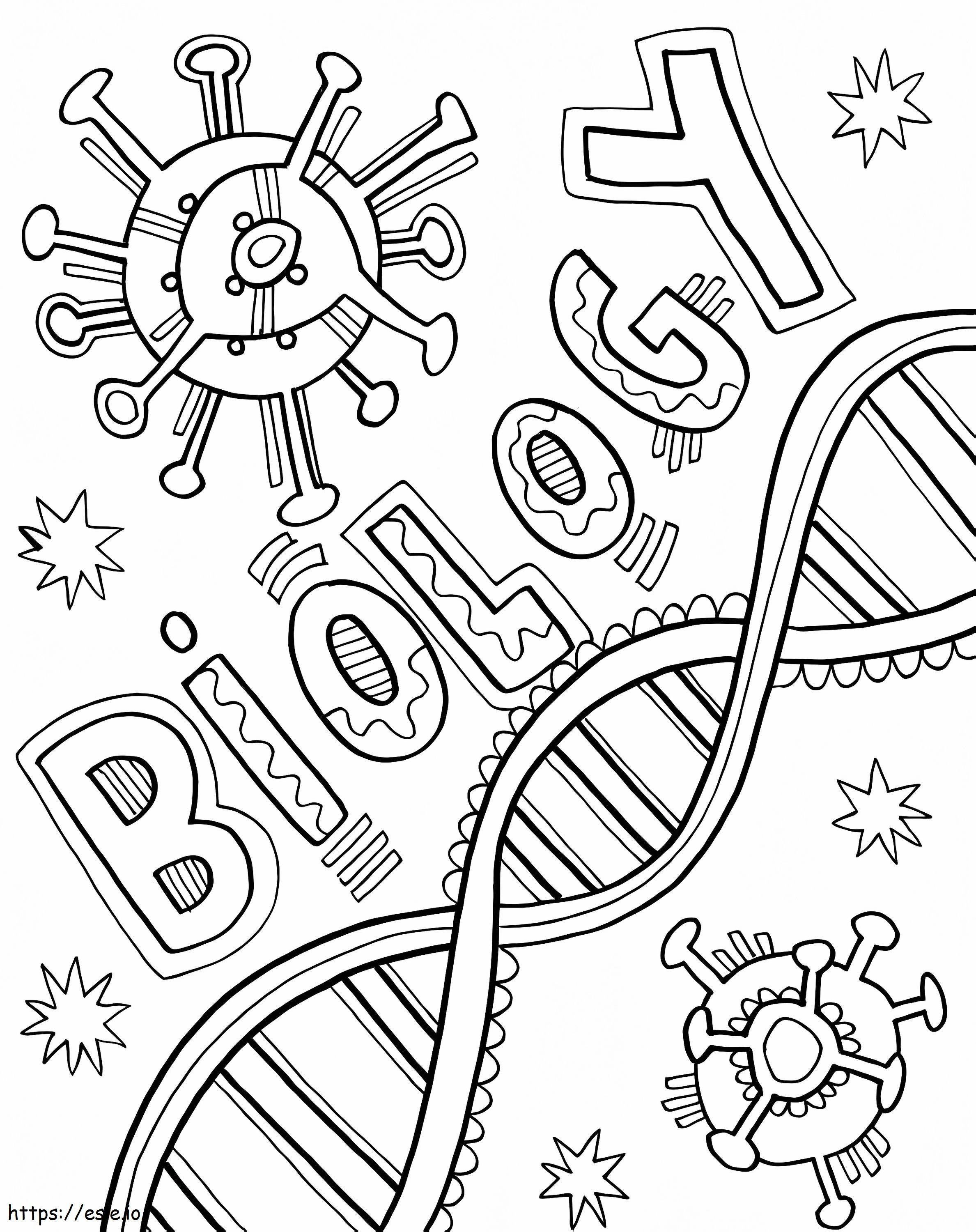
Biology Coloring Book Pages
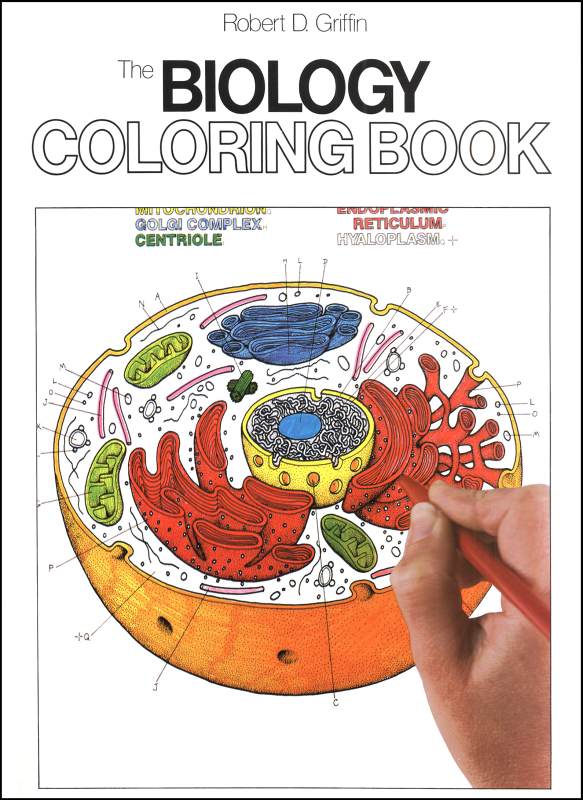
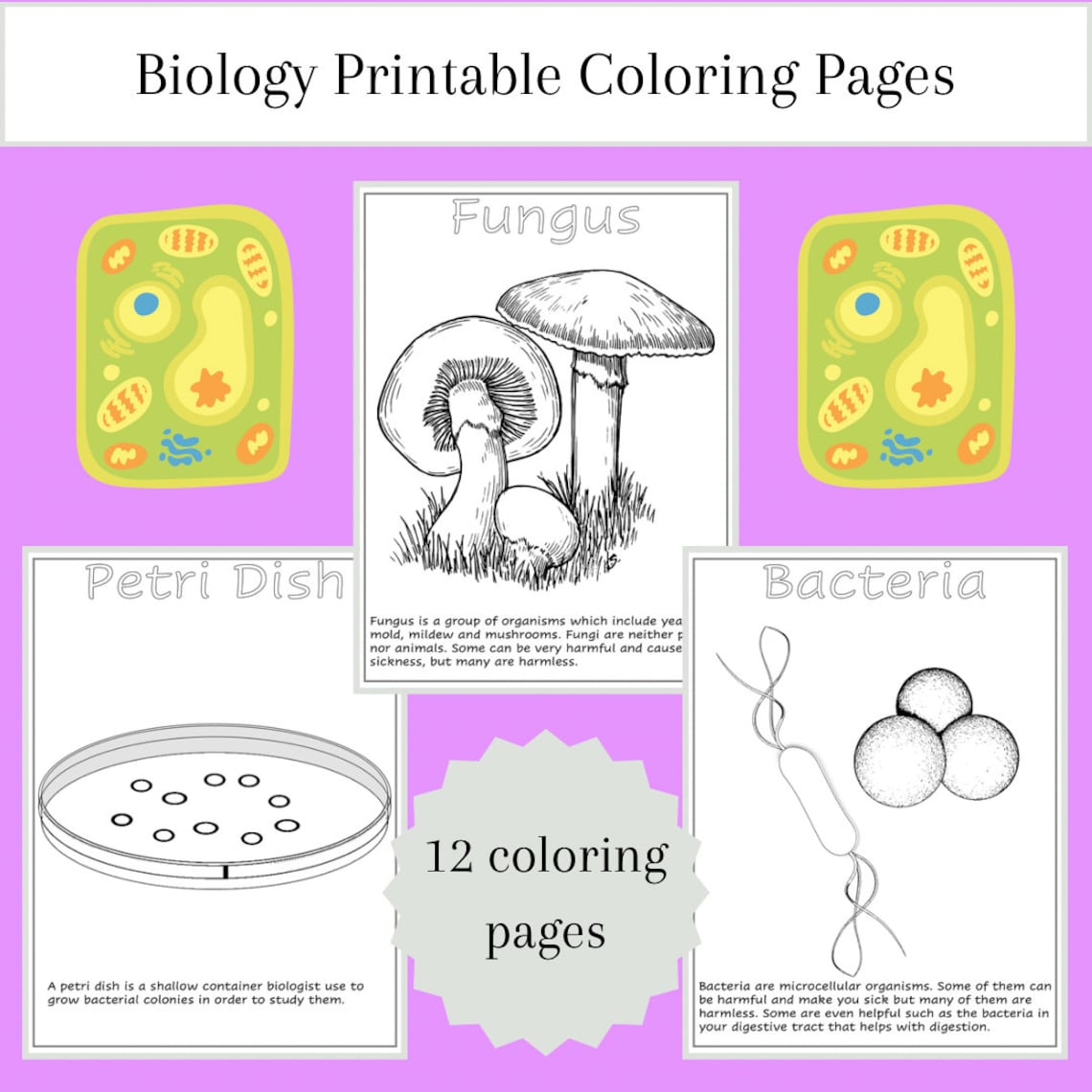
Welcome to the wonderful, wiggly, and wildly fascinating world of science! Have you ever wondered how a tiny seed grows into a giant tree, or how your own beating heart pumps blood all through your body? Science holds the answers to all these amazing mysteries, and exploring them has never been more fun. Biology coloring book pages are a fantastic way for curious young minds to dive deep into the building blocks of life while unleashing their inner artists.
Whether you are a budding botanist fascinated by flower petals or a future doctor eager to sketch a skeleton, combining coloring with science makes learning an absolute adventure. Grab your favorite crayons, markers, and colored pencils because we are about to take a colorful journey through nature and living things!
What This Coloring Page Features
Our specially designed science-themed pages are packed with exciting illustrations that bring nature to life. When you open up your coloring book, you will find a vibrant mix of botany, zoology, and human anatomy tailored just for kids.
Exciting Scientific Illustrations
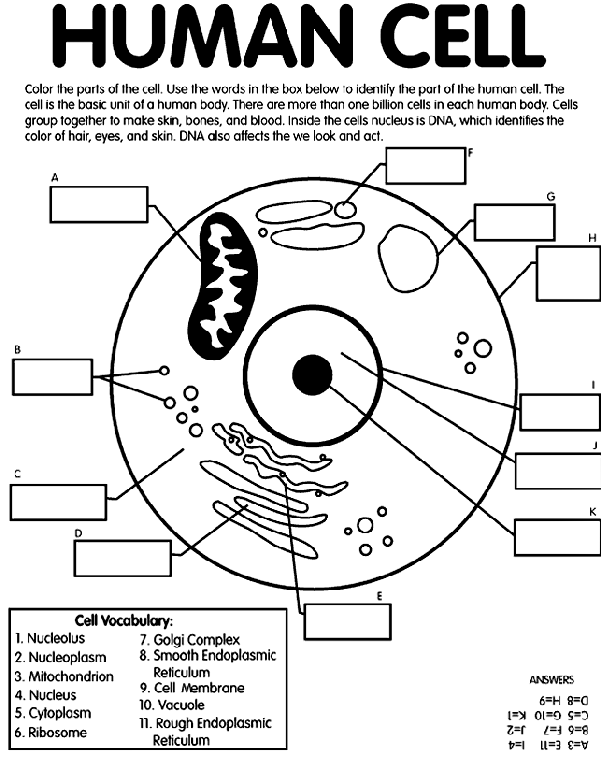
From the delicate veins of a green leaf to the cute spots on a ladybug, every page highlights a different wonder of the living world. You might color a buzzing honeybee pollinating a bright yellow sunflower, map out the different layers of the Earth’s ecosystems, or even take a peek inside a friendly cartoon cell complete with a nucleus and mitochondria! These illustrations are designed to be both scientifically accurate and delightfully playful, making complex concepts easy to understand.
Benefits of This Coloring Activity
Coloring is not just a fun way to pass a rainy afternoon; it is a powerhouse activity for growing brains! When children fill in biology coloring book pages, they are combining artistic expression with cognitive development in a truly unique way.
First, it sparks a lifelong curiosity about the natural world. Seeing living organisms up close on the page helps kids ask questions about how animals and plants survive. Second, coloring helps build fine motor skills. Gripping crayons and staying inside the lines strengthens hand muscles and improves hand-eye coordination. Finally, it acts as a wonderful mindfulness tool, helping children focus, relax, and calm their minds after a busy day at school.
How to Use This Coloring Page
Getting started with your science coloring adventure is as easy as 1-2-3! First, download and print your favorite pages onto sturdy paper so your markers won’t bleed through. Next, do a little research together—look up what color a real frog is, or check out a diagram of a plant root. Finally, let creativity take the wheel! There are no strict rules in science art; if a child wants to color a blue elephant or a purple fern, imagination leads the way!
Tips for Parents and Teachers
- Pair the coloring session with a fun nature walk to find real-life examples of the plants or bugs on the page.
- Ask open-ended questions like, “Why do you think the butterfly needs wings?” to encourage critical thinking.
- Provide a wide variety of coloring tools, such as watercolors, colored pencils, and glitter pens, to keep the activity engaging.
- Hang the completed artwork on the refrigerator or classroom wall to celebrate their scientific discoveries.
- Use the finished pages to create a homemade science portfolio or journal.
Age Recommendations
Biology coloring book pages are wonderfully versatile and can be enjoyed by a wide range of ages. Toddlers and preschoolers (ages 3-5) will love the bold outlines of big animals, flowers, and friendly bugs, which help them practice basic coloring skills. Elementary school students (ages 6-10) will benefit from more detailed diagrams, such as plant parts, insect anatomy, and simple food chains, which directly support their early science curriculum.
Frequently Asked Questions
Are these coloring pages free to print?
Yes! You can easily download and print as many copies as you need for home or classroom use, making it an affordable and accessible educational activity.
What coloring tools work best on these pages?
Colored pencils and crayons are the best choice because they allow children to shade carefully and add fine details without tearing the paper. If you use heavy cardstock, washable markers work wonderfully too!
Can these pages be used in a school science lesson?
Absolutely! Teachers frequently use coloring pages as an interactive introduction to biology units, vocabulary reinforcement, or as a quiet hands-on activity following a science lesson.
Explore More Free Printable Coloring Pages
The learning does not stop here! Once you finish exploring the wonderful world of biology, be sure to check out our massive library of other free printable coloring pages. Journey into outer space with our astronomy sheets, travel back in time with our dinosaur collection, or dive deep into the ocean with marine biology adventures. There is a whole universe of creative learning waiting for you!
Images References