Cat In The Hat Coloring Book Pages
Cat In The Hat Coloring Book Pages
Hello, wonderful parents, teachers, and creative little artists! Step right up into the magical, whimsical world of Dr. Seuss, where anything can happen and usually does. If you are looking for a fantastic way to spark imagination, encourage quiet time, and bring a classic story to life, you have come to the right place. Coloring is more than just a fun pastime; it is a gateway to storytelling and artistic expression that children have adored for generations.
Among all the wonderful characters in children’s literature, none stand out quite as much as the tall, striped-hat-wearing feline created by Dr. Seuss. Bringing home a set of Cat In The Hat coloring book pages is a wonderful way to bridge the gap between reading and hands-on creativity. Whether it is a rainy afternoon indoors or a quiet creative station in the classroom, these pages offer endless possibilities for artistic fun.
What This Coloring Page Features
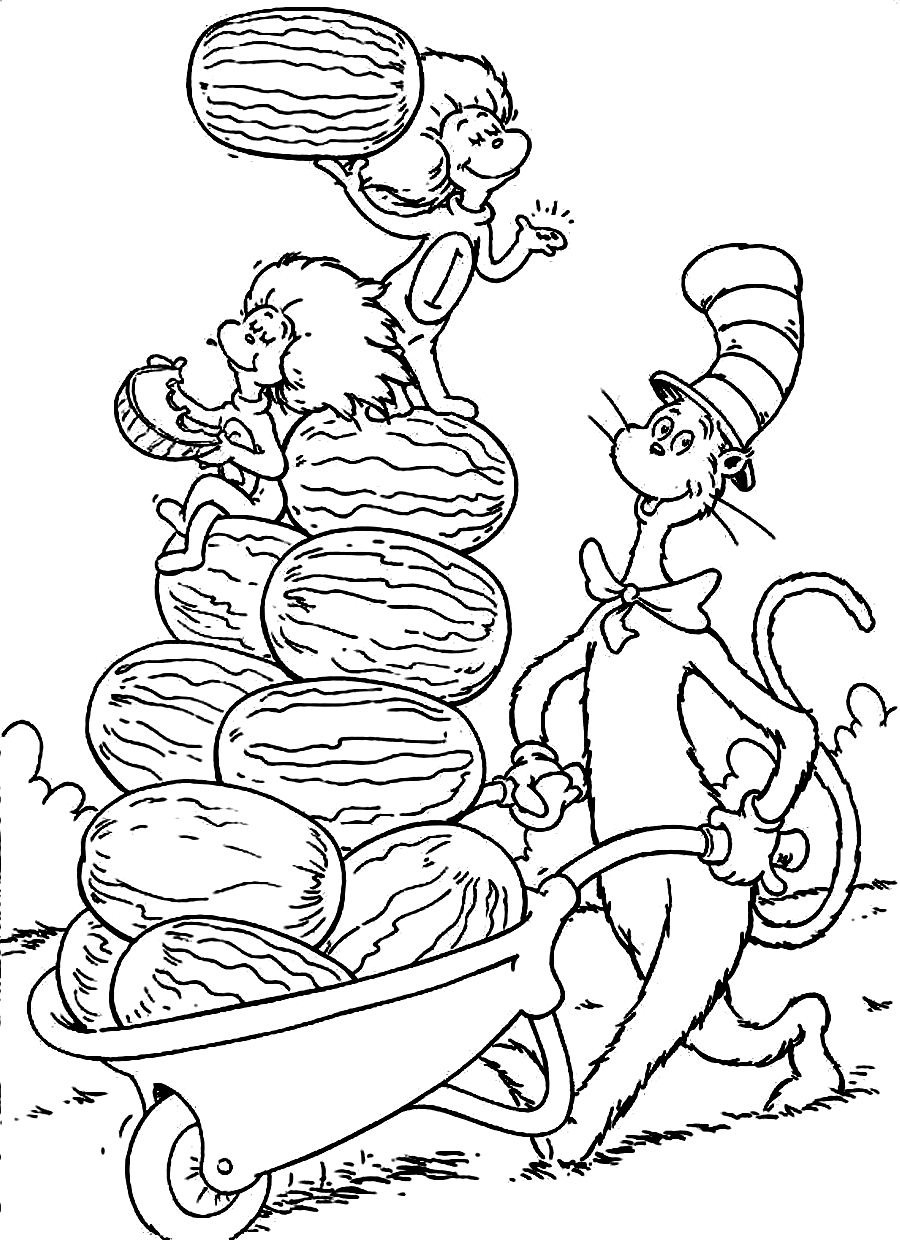
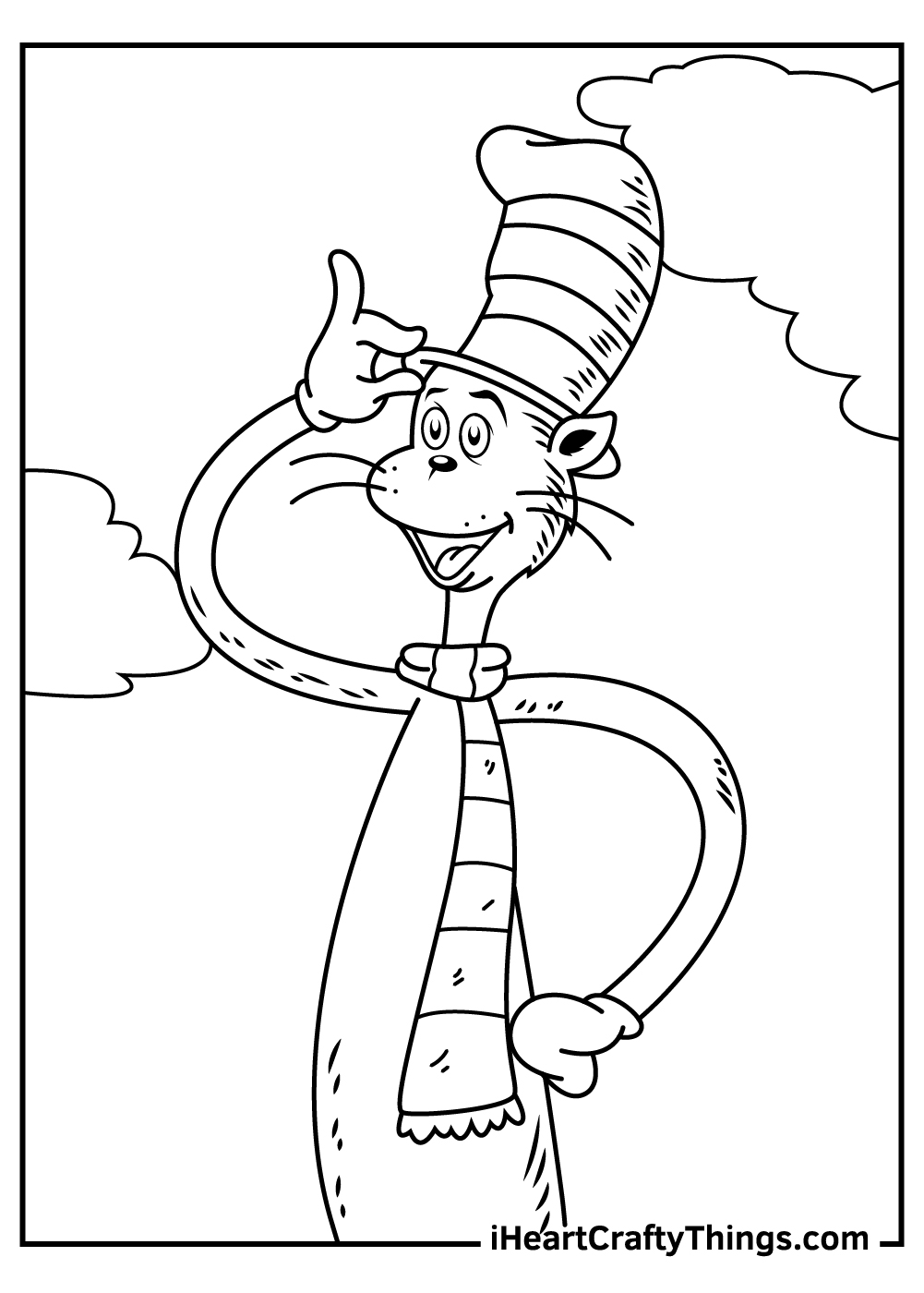
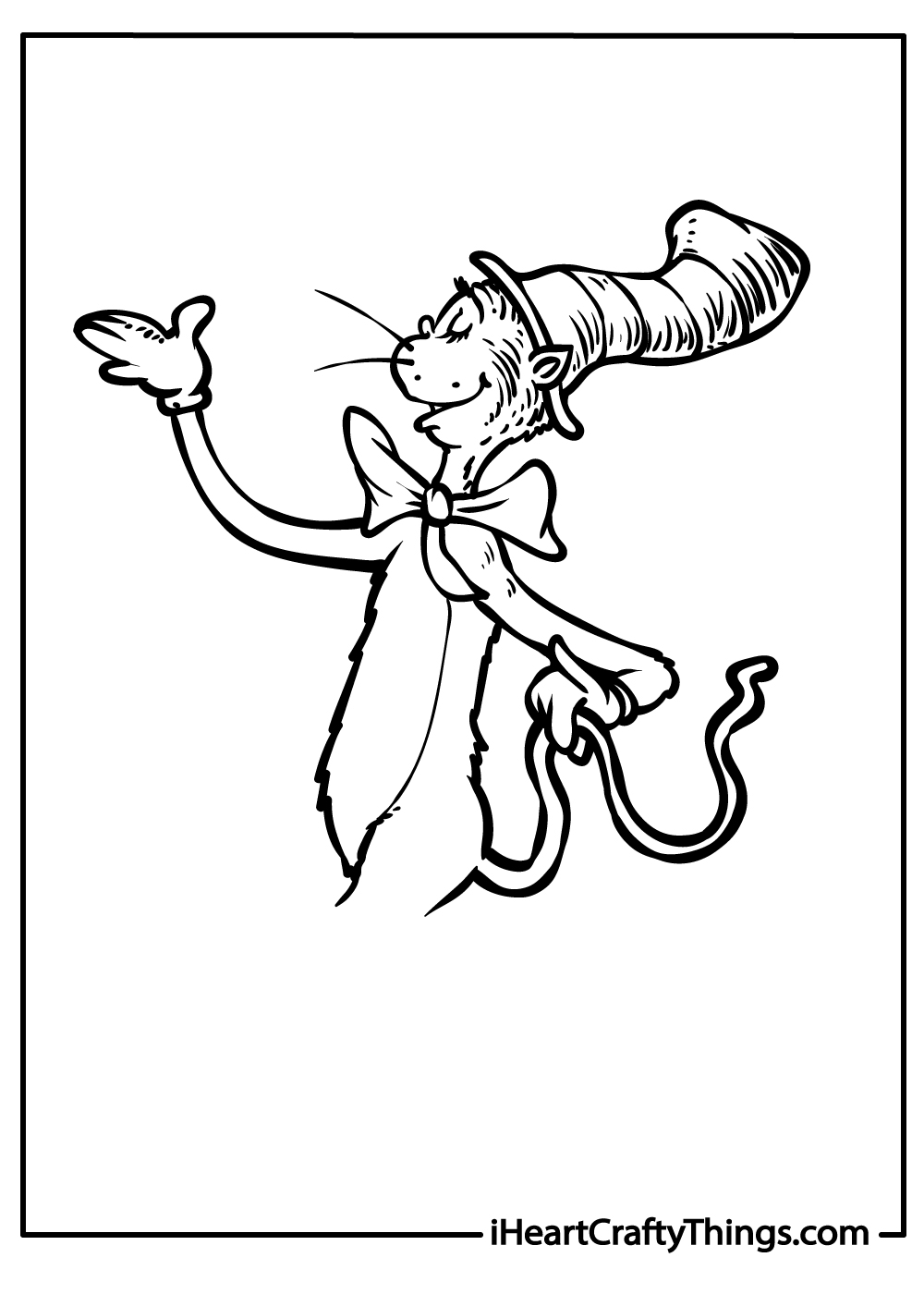
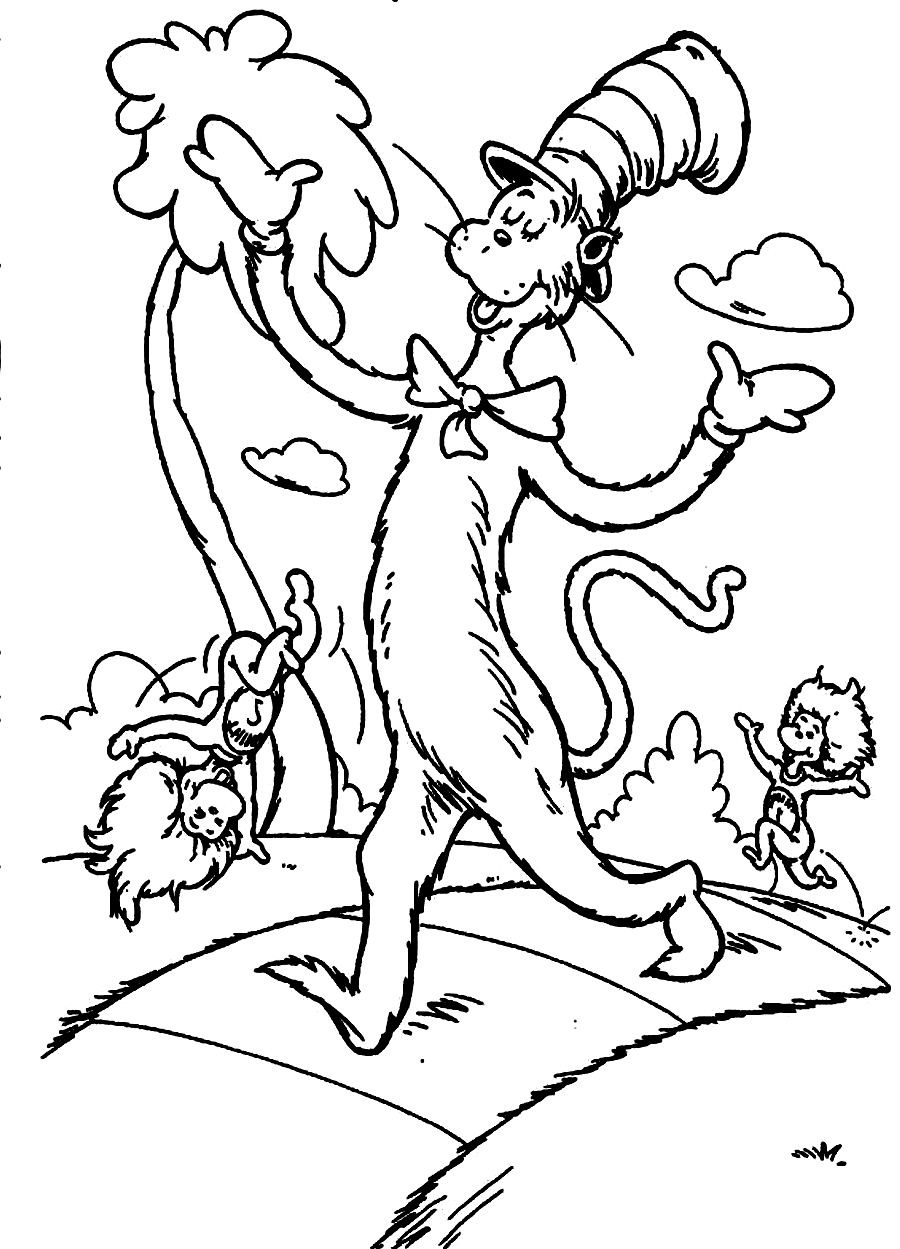
Our favorite mischief-maker is always up to something exciting, and these coloring pages capture all of his most famous antics. When children open up a page, they will typically find the charismatic Cat himself, balancing a fishbowl, walking with his famous red and white striped top hat, or performing silly tricks.
In addition to the main character, many of these pages feature fan-favorite friends like Thing 1 and Thing 2 with their bright blue hair, the cautious pet fish, and Sally and Conrad. The bold, playful outlines make it easy for children to identify shapes and stay within the lines while still leaving plenty of room for imaginative color choices. After all, who says the Cat’s hat has to be just red and white? Maybe today it is rainbow-striped!
Benefits of This Coloring Activity
Engaging with coloring pages provides a surprising number of developmental benefits for growing children. First and foremost, gripping crayons, markers, or colored pencils helps strengthen fine motor skills. As children carefully fill in the spaces on the page, they are building the hand-strength and dexterity necessary for future writing tasks.
Furthermore, coloring acts as a wonderful tool for cognitive and emotional development. It encourages concentration, patience, and visual-spatial awareness. When children work on familiar characters from a beloved book, it also reinforces reading comprehension and narrative recall, linking visual art with literature in a deeply meaningful way.
How to Use This Coloring Page
Using these coloring pages is as easy as one, two, three! First, simply download and print your favorite sheets onto standard printer paper or slightly heavier cardstock if your child prefers using paints or markers. Next, set up a comfortable, well-lit workspace with a vibrant array of coloring supplies.
Beyond traditional coloring, these pages can be used for fun craft projects. Once the characters are colored in, you can help younger children cut them out to create DIY bookmarks, puppets on popsicle sticks, or custom greeting cards for friends and family. The only limit is your child’s boundless imagination!
Tips for Parents and Teachers
- Encourage color experimentation, even if it means Thing 1 gets purple hair and green stripes.
- Read the original Dr. Seuss book together before or after coloring to enhance the storytelling experience.
- Provide a variety of mediums, such as watercolors, crayons, oil pastels, and colored pencils, to keep the activity fresh and engaging.
- Display the finished masterpieces proudly on the refrigerator or a designated classroom art wall to boost self-esteem.
Age Recommendations
These coloring pages are wonderfully versatile and can be enjoyed by a wide range of ages. Toddlers and preschoolers (ages 3 to 4) will love the bold lines and simple shapes, which help them practice basic coloring techniques without feeling overwhelmed. Meanwhile, kindergarteners and early elementary students (ages 5 to 8) can dive into more detailed shading, pattern creation, and storytelling through their artistic choices.
Frequently Asked Questions
Are these coloring pages safe for toddlers to use?
Yes, absolutely! Just be sure to provide non-toxic, washable crayons or chunky markers that are specifically designed for younger hands to ensure a safe and mess-free experience.
What kind of paper works best for printing?
Standard printer paper is great for crayons and colored pencils. However, if your child prefers using heavy markers, paints, or glitter glue, printing on thicker cardstock paper will prevent bleeding and tearing.
Can teachers use these pages in the classroom?
Yes, teachers are more than welcome to use these pages for classroom activities, storytime extensions, quiet work stations, and art-themed lesson plans.
Explore More Free Printable Coloring Pages
If your little artists had a blast bringing the Cat and his friends to life, the creative journey does not have to stop here! We offer a vast library of free printable coloring pages featuring animals, fairy tales, seasonal themes, and educational concepts. Be sure to browse our collection regularly to find new ways to inspire creativity, learning, and fun in your home or classroom every single day.
Images References