Biology Color Pages
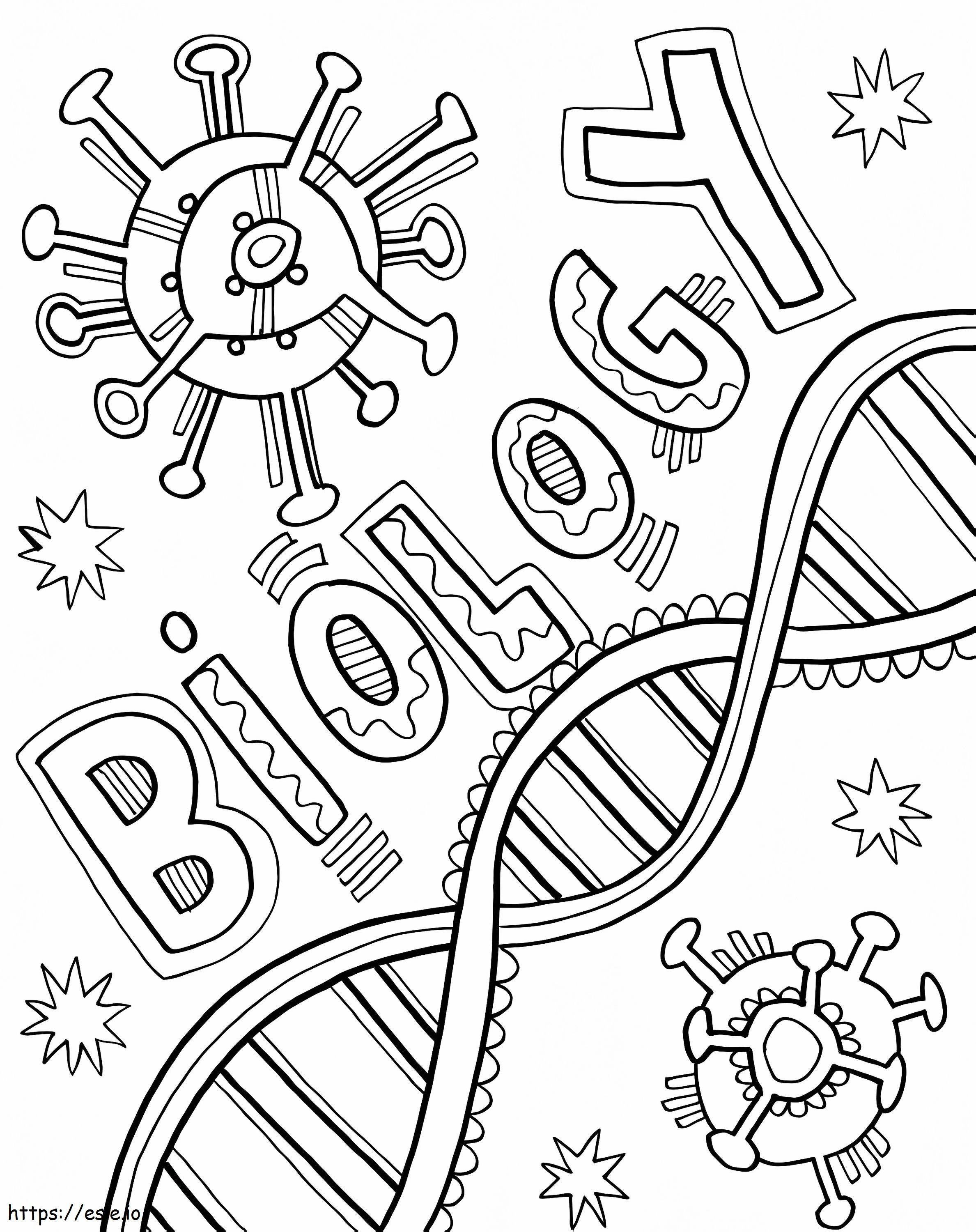
Biology Color Pages
Welcome to the wonderful world of science and art! Biology color pages are an incredible way to spark curiosity in young learners by combining the visual joy of coloring with fascinating scientific concepts. Whether it is the intricate veins of a green leaf, the delicate wings of a butterfly, or the complex layers of a plant cell, these coloring sheets turn complex natural sciences into a hands-on, approachable adventure for kids of all ages.
Long gone are the days when science was confined strictly to heavy textbooks and memorization. Today, educators and parents alike are discovering that creativity and cognitive development go hand in hand. By introducing biology color pages into your daily routine, you invite children to observe the natural world closely, ask thoughtful questions, and develop a genuine appreciation for the living ecosystems that surround us every single day.
What This Coloring Page Features
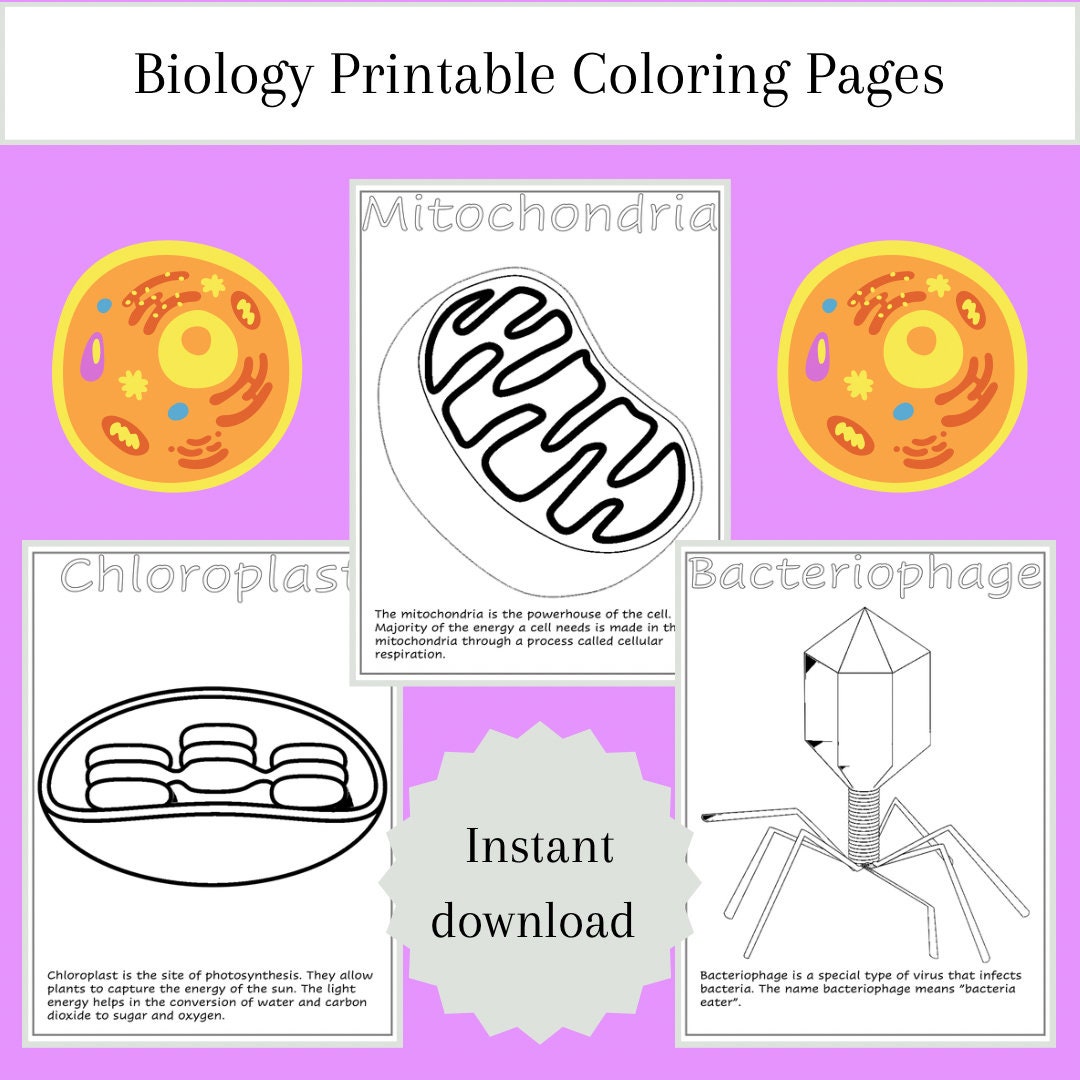
Our specially designed biology color pages feature a wide array of captivating subjects drawn straight from Mother Nature. From the microscopic beauty of a plant cell complete with chloroplasts and a cell wall, to macro-level wonders like the life cycle of a frog, these pages cover essential foundational concepts. Children will find clearly outlined diagrams of animal anatomy, floral pollination pathways, and even the layers of the Earth’s biomes, all designed with kid-friendly lines that are easy to color yet scientifically accurate.
Benefits of This Coloring Activity
Coloring is much more than a quiet afternoon pastime; it is a powerful developmental tool. When children engage with biology color pages, they strengthen the fine motor muscles in their hands and fingers, which are crucial for writing and cutting with scissors. Beyond physical dexterity, these pages boost cognitive retention. The act of coloring specific parts—such as coloring animal cells blue and cell membranes pink—helps visual learners anchor abstract scientific terminology into their long-term memory.
How to Use This Coloring Page
Integrating these educational sheets into your learning environment is remarkably simple. Start by printing out your chosen design on standard printer paper or slightly heavier cardstock if your child plans to use paints or markers. Before handing over the crayons, take a few minutes to talk about the subject matter. Ask open-ended questions like, “What do you think plants need to grow big and strong?” As the child colors, encourage them to label the different parts, turning a simple art project into an interactive mini-lesson.
Tips for Parents and Teachers
- Pair the coloring activity with a real-world nature walk to find actual examples of the plants or insects being colored.
- Use a color-coding key to help older children learn specific anatomical names and functions.
- Provide a variety of mediums such as colored pencils, watercolor paints, or gel pens to keep the sensory experience fresh and exciting.
- Display finished artwork on a classroom science wall or refrigerator to build confidence and pride in their educational journey.
- Encourage storytelling by asking children to imagine they are tiny explorers traveling inside the biological system they are coloring.
Age Recommendations
Biology color pages are wonderfully versatile and can be adapted for a wide range of developmental stages. Toddlers and preschoolers (ages 3-5) will enjoy simpler, bold-lined designs featuring large animals, basic flowers, and friendly bugs that focus primarily on motor skills and color recognition. Elementary students (ages 6-10) can dive into more detailed diagrams like human organs, cell structures, and life cycles, making these pages an ideal supplement for elementary science curricula.
Frequently Asked Questions
Are these biology color pages suitable for homeschooling?
Yes, absolutely! They make fantastic supplements to homeschool science curriculums, providing a hands-on, screen-free activity that reinforces lesson plans.
What coloring tools work best with these printables?
Colored pencils and crayons are ideal because they allow for precise coloring within detailed scientific diagrams without bleeding through the paper.
Can teachers use these pages in a traditional classroom setting?
Definitely. Teachers frequently use these sheets for early finishers, science center stations, or as an engaging introduction to a new biology unit.
Explore More Free Printable Coloring Pages
If your young scientist enjoyed bringing these biological wonders to life, the learning doesn’t have to stop here! We offer a vast library of free printable coloring pages spanning astronomy, geology, zoology, and historical science. Keep your child’s imagination growing and their curiosity thriving by exploring our complete collection of educational resources today!
Images References