Number Coloring Pages

Number Coloring Pages
Welcome to a wonderful world where learning and creativity meet! Coloring is one of the most cherished childhood pastimes, but when you combine it with early math concepts, it becomes an absolute powerhouse for early childhood development. Number coloring pages offer a delightful way for little ones to engage with digits from zero to nine and beyond, turning abstract mathematical symbols into vibrant, living works of art.
Whether your child is just beginning to recognize the shape of a “1” or is practicing counting objects alongside written numbers, these printable activities provide a low-pressure, highly engaging environment. Grab your crayons, markers, and colored pencils, and let’s dive into why these educational sheets are an absolute must-have for your home or classroom!
What This Coloring Page Features
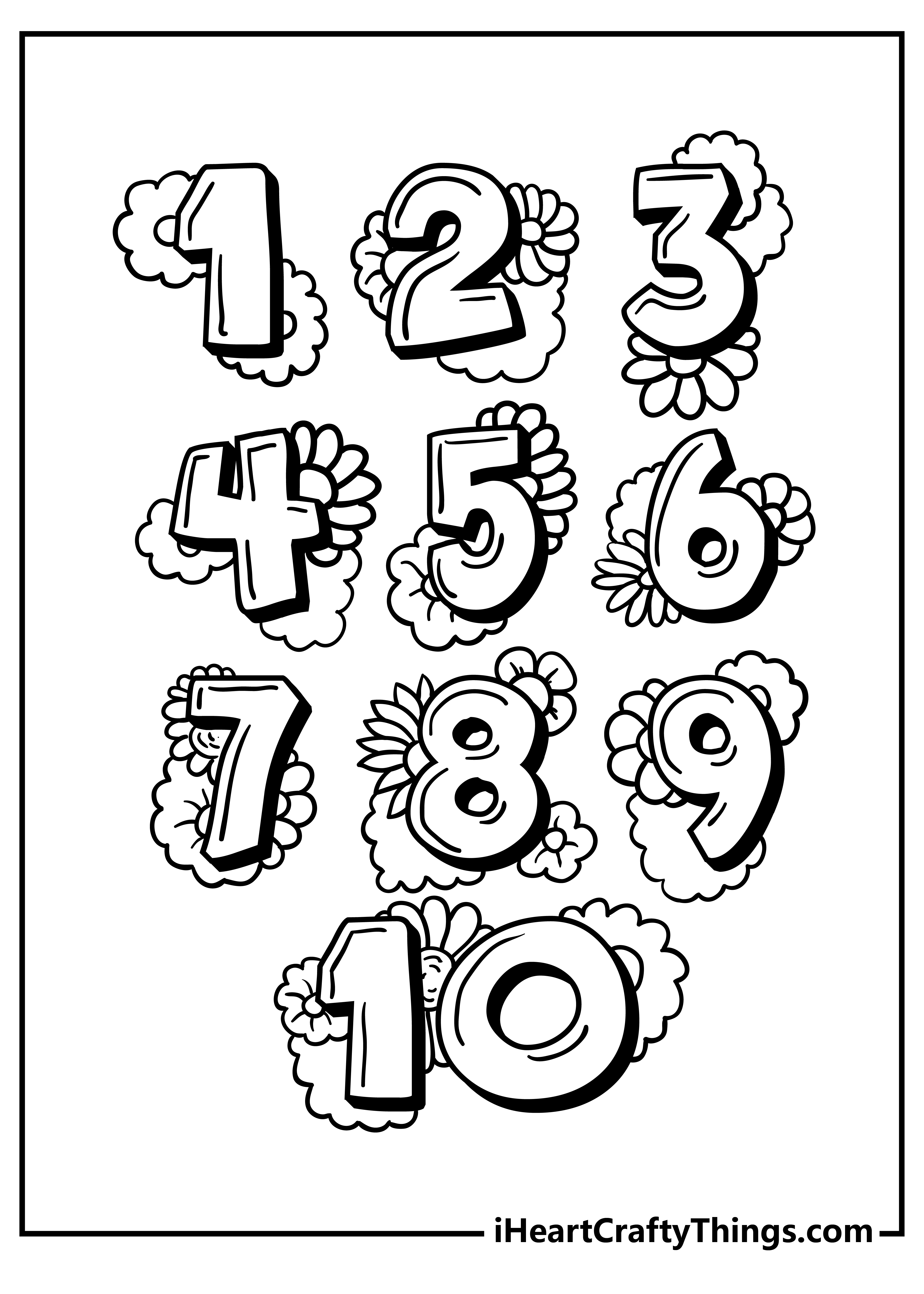
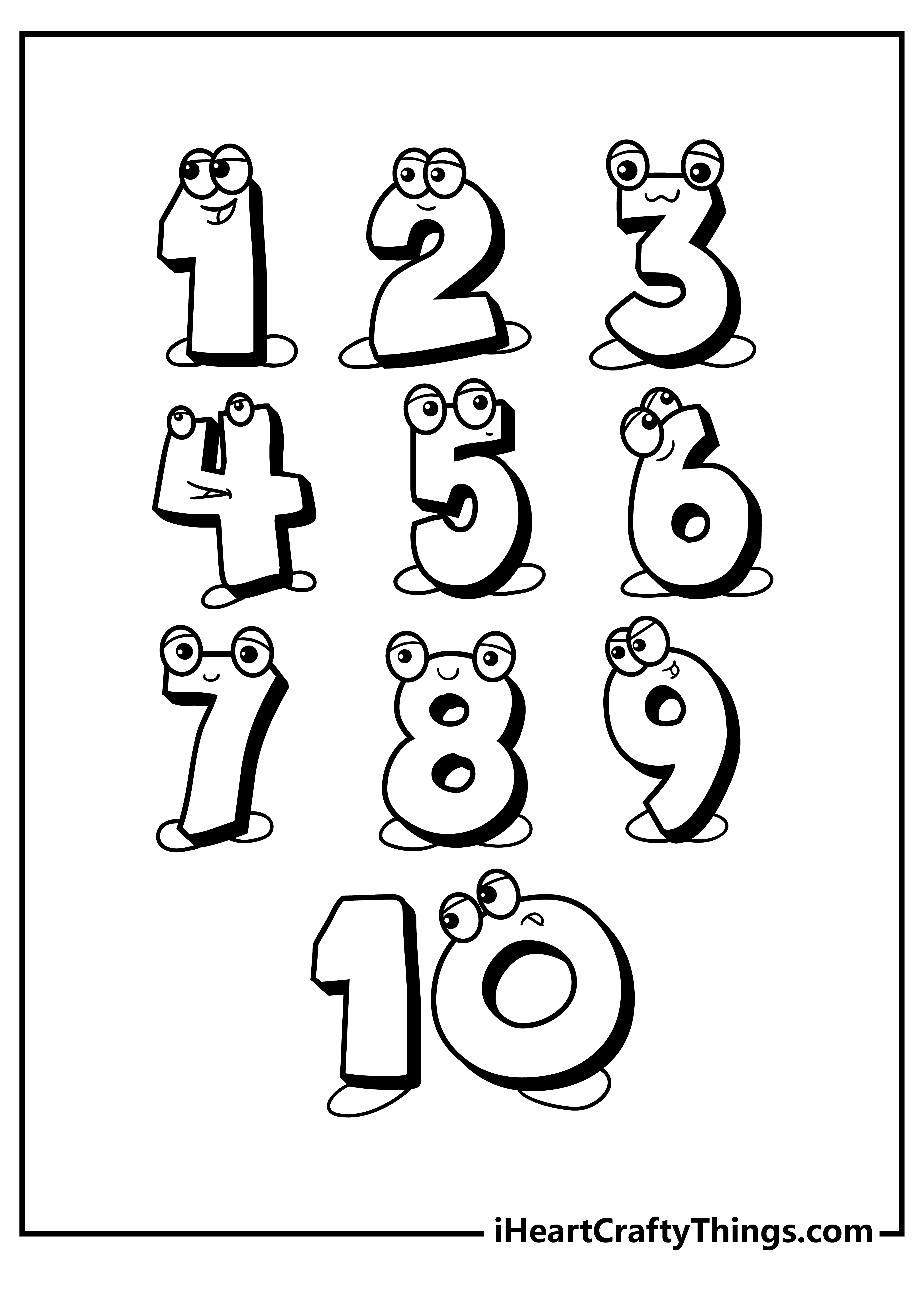
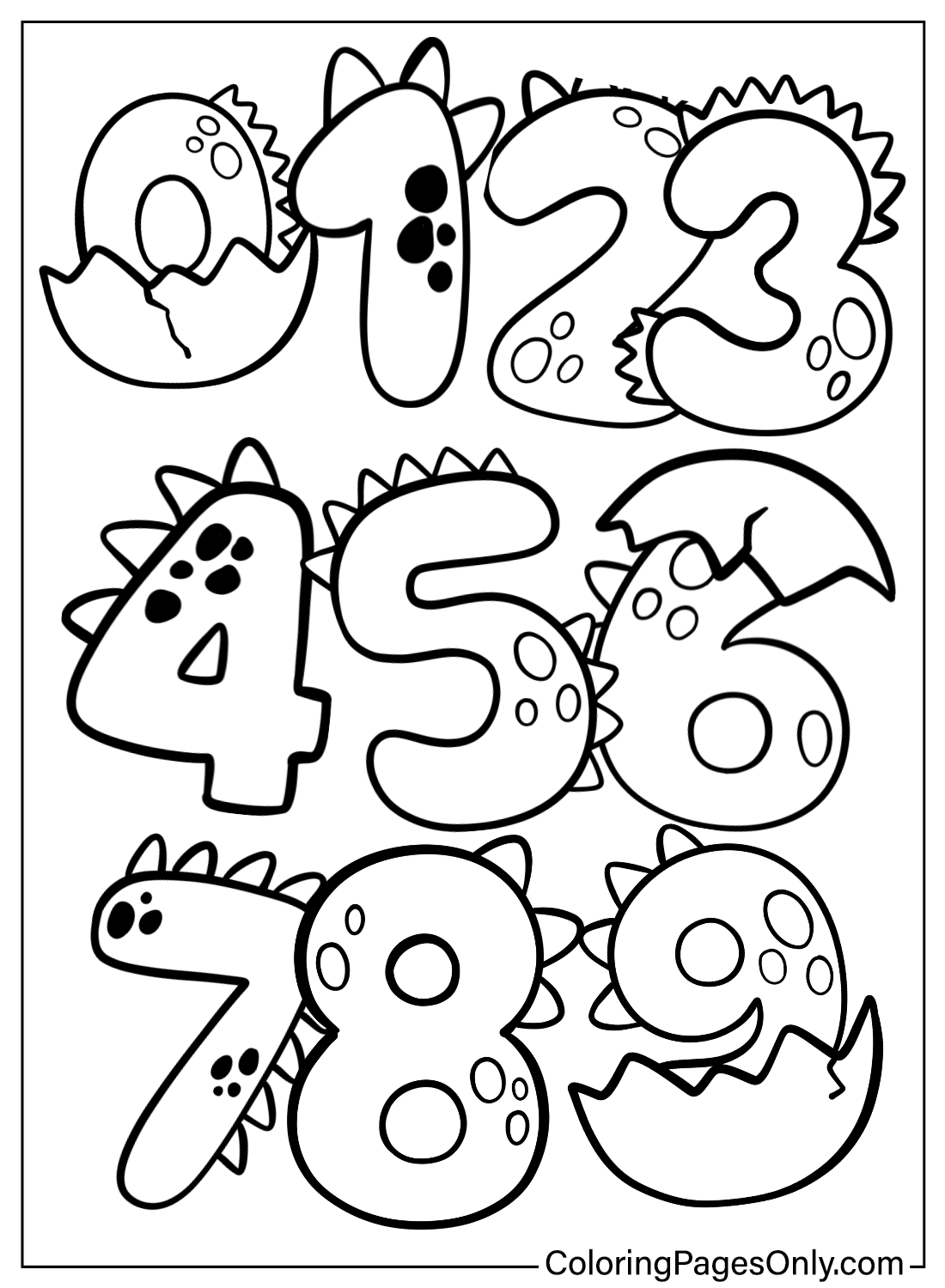
Our specially designed number coloring sheets are packed with delightful elements created specifically to capture young imaginations. Each page typically highlights a single, bold number, making it easy for little hands to trace with their eyes and fill with color.
Along with the large, bubble-style number, these pages often feature corresponding counting objects. For example, the page for the number three might feature three bouncing frogs, three fluffy clouds, or three sweet strawberries. This dual visual representation helps children instantly connect the symbol of the number with actual quantity, bridging the gap between art and early mathematics.
Benefits of This Coloring Activity
Engaging with number coloring pages offers a wide array of developmental advantages that go far beyond simply keeping kids busy on a rainy afternoon.
First and foremost, they support cognitive development by reinforcing number recognition. As children color inside the lines of a specific digit, their brains form strong visual associations with that number’s unique shape. Furthermore, coloring is an incredible tool for building fine motor skills. Gripping and maneuvering a crayon strengthens the small muscles in a child’s hands and fingers, which directly translates to better handwriting control later on.
How to Use This Coloring Page
Integrating these educational printables into your daily routine is as easy as one, two, three! Start by downloading and printing your desired number sheets on standard printer paper or slightly thicker cardstock if you plan on using paints or markers.
Introduce the featured number of the day. Ask your child to point to the number, say its name out loud, and count the matching illustrations on the page. Encourage them to choose their favorite colors and talk about the shades they are using. By turning the coloring session into an interactive conversation, you maximize both the learning potential and the fun!
Tips for Parents and Teachers
- Use textured materials like glitter glue, puffy paint, or stickers to decorate the numbers for a sensory-rich experience.
- Practice counting out loud together while coloring the accompanying objects on the page.
- Laminate the finished pages and use dry-erase markers so kids can practice tracing the numbers over and over again.
- Hang the completed artwork on a “Number Wall” to celebrate your child’s creations and build their confidence.
Age Recommendations
Number coloring pages are wonderfully versatile and can be adapted for various developmental stages. Toddlers around ages two to three will enjoy exploring the colors, scribbling, and beginning to recognize basic shapes and numbers with adult guidance. Preschoolers and kindergarteners ages four to six will benefit the most from the structured counting elements, fine motor practice, and number formation reinforcement as they prepare for formal school environments.
Frequently Asked Questions
Are these number coloring pages completely free to print?
Yes! You can easily download, save, and print as many copies as you need for your home, classroom, or homeschool co-op.
What coloring tools work best with these pages?
Crayons and colored pencils are fantastic for younger children because they do not bleed through the paper. Washable markers and watercolor paints are also great options if you use a slightly heavier cardstock.
Can these pages help children with dyscalculia or learning differences?
Absolutely. The multisensory approach of combining visual art, verbal counting, and tactile coloring can be very beneficial for children who learn differently or need extra reinforcement with math concepts.
Explore More Free Printable Coloring Pages
The learning and fun do not have to stop at numbers! Once your little artist has mastered counting from zero to nine, be sure to check out our massive library of other educational printables. We offer alphabet coloring pages, geometric shape sheets, cute animal counting books, and seasonal themes that will keep your child inspired, educated, and entertained all year round.
Images References