Coloring Pages Rooms
Coloring Pages Rooms
Welcome to the wonderful and imaginative world of interior design, just for kids! Coloring pages rooms offer a fantastic opportunity for children to step into the shoes of an architect, decorator, or simply a daydreamer designing their ultimate play space. Whether it is a cozy bedroom filled with stuffed animals, a bustling kitchen with delicious treats, or a magical treehouse living room, these pages invite kids to bring blank spaces to life with their favorite crayons, markers, and colored pencils.
In this article, we will explore the joy of coloring different types of rooms. You will discover what these pages typically feature, why they are so beneficial for developing minds, and how you can use them at home or in the classroom to spark creativity, storytelling, and fine motor skill development.
What This Coloring Page Features
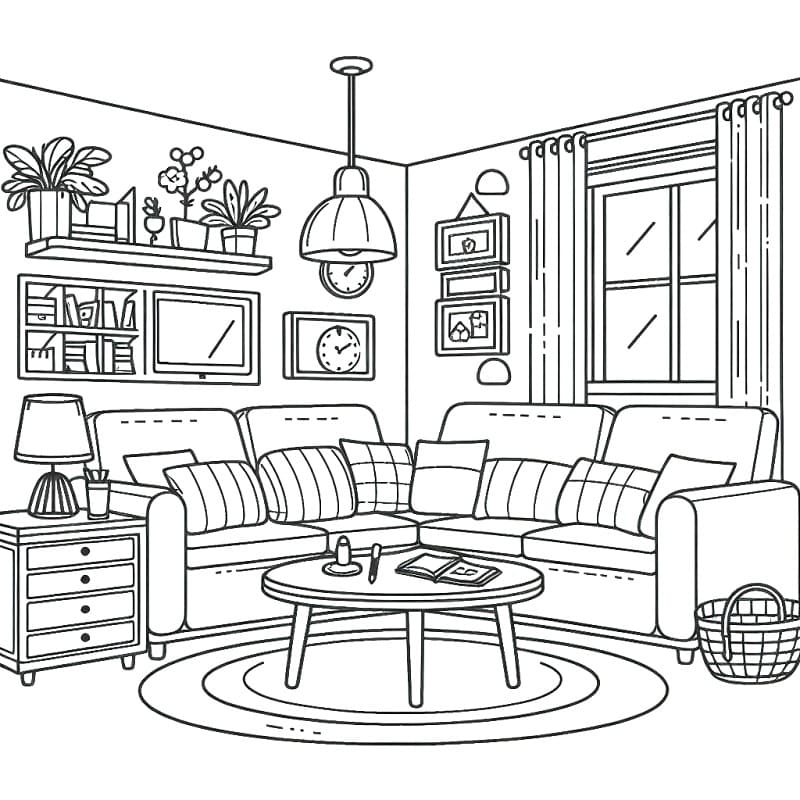
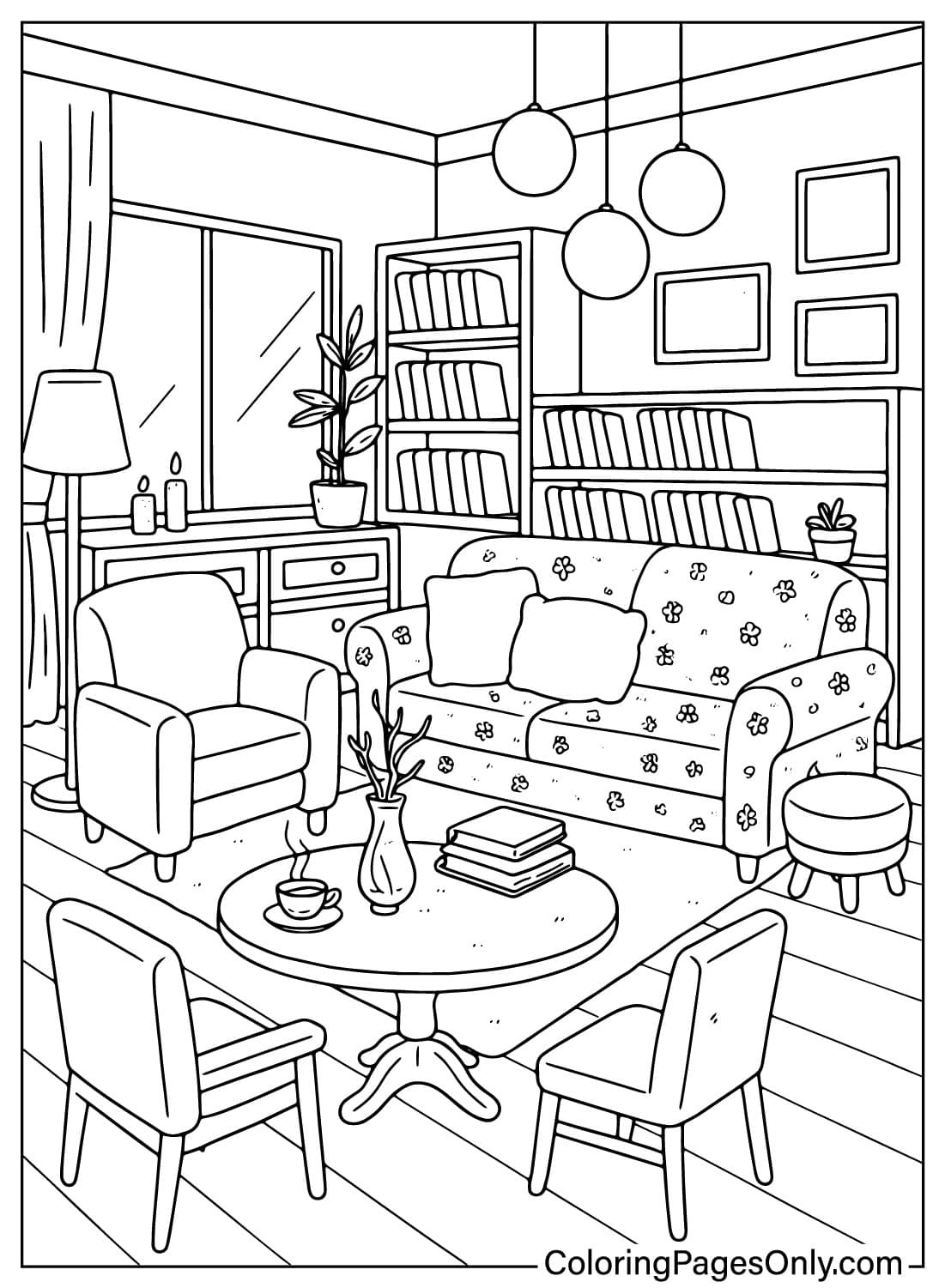
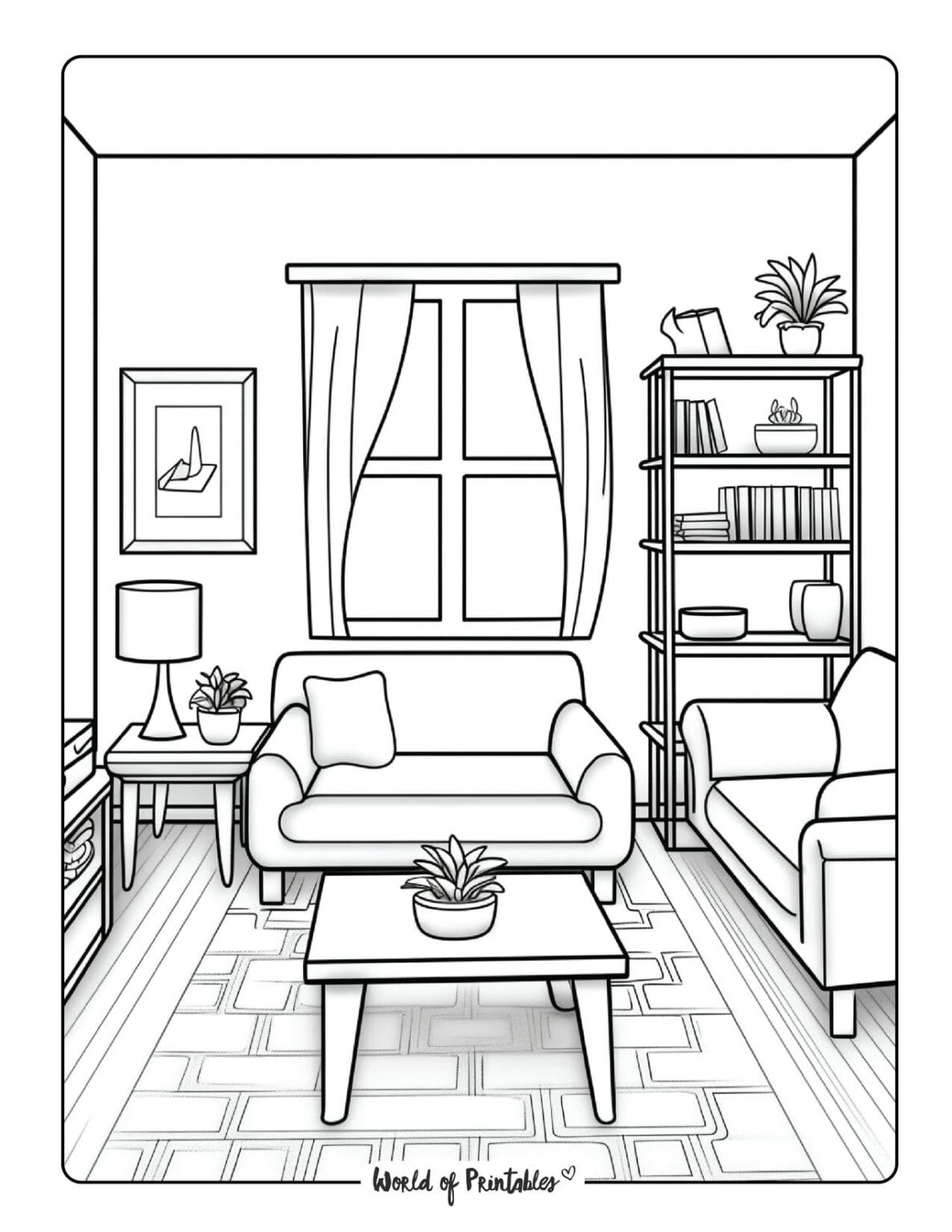
Room-themed coloring pages are packed with exciting and recognizable everyday objects. When children look at these pages, they usually find a delightful arrangement of furniture, decorations, and personal touches. Common features include cozy beds with fluffy pillows, bookshelves stacked with imaginary adventures, desks with art supplies, large windows overlooking sunny gardens, and playful rugs on the floor.
Some pages focus on a single room, like a child’s dream bedroom or a secret playroom, while others feature multi-item scenes or even a cutaway dollhouse view of an entire home. The variety of shapes—from rectangular windows and circular clocks to triangular rooflines and curvy lamps—gives young artists a wonderful chance to practice coloring inside the lines while exploring spatial awareness and perspective.
Benefits of This Coloring Activity
Coloring is much more than just a fun way to pass a rainy afternoon. When children engage with room coloring pages, they unlock a wide array of developmental benefits. First and foremost, gripping crayons and carefully filling in small details like picture frames or patterned wallpaper helps strengthen hand muscles and improves hand-eye coordination.
Additionally, these pages encourage cognitive development and decision-making. Kids must decide what color the walls should be, whether the rug should match the curtains, and how to use light and shadow to make a room look cozy. This process fosters early interior design thinking and spatial reasoning. Furthermore, coloring is a calming, mindful activity that helps children relax, focus, and express their personal style and emotions through color choices.
How to Use This Coloring Page
There are countless fun ways to incorporate room coloring pages into your daily routine. You can simply print out a favorite bedroom or playroom scene and let your child go wild with traditional coloring tools. However, you can also use these pages as a springboard for interactive storytelling and imaginative play.
Try asking your child to name the imaginary character who lives in the room they are coloring. What is their favorite toy? What kind of stories do they read on that bed? You can also turn it into a crafting session by breaking out glitter glue, stickers, or scraps of patterned wrapping paper to collage actual wallpaper and flooring onto the printed page!
Tips for Parents and Teachers
- Provide a wide variety of coloring mediums, such as washable markers, colored pencils, and crayons, to let children experiment with different textures and blending techniques.
- Encourage children to invent a backstory for the room to boost narrative skills and creative thinking.
- Use the coloring time to talk about home organization, interior spaces, and colors by asking questions like, “Where do you think this armchair should go?”
- Display the finished masterpieces proudly on the refrigerator or create a dedicated “Art Gallery” wall in the classroom or playroom.
- Laminate the printed pages or place them in clear pocket folders for younger toddlers who might prefer using dry-erase markers over and over again.
Age Recommendations
Room coloring pages are wonderfully versatile and can be enjoyed by a wide range of ages. Toddlers and preschoolers (ages 3 to 5) will love simpler, bold-lined designs featuring large furniture items like a big bed or a simple table, which helps them practice basic coloring control. Older children (ages 6 to 10) will thrive with more intricate, detailed rooms filled with books, plants, patterns, and complex architecture, allowing them to spend hours perfecting their shading and color schemes.
Frequently Asked Questions
Are room coloring pages suitable for both boys and girls?
Absolutely! Room coloring pages offer universally appealing themes that spark creativity and design skills in all children, regardless of gender. Kids can customize bedrooms, playrooms, and kitchens to match their own unique personalities and favorite colors.
What kinds of coloring tools work best on detailed room pages?
For large areas like floors and walls, chunky crayons or broad-tip markers work wonderfully. However, for smaller details like books on a shelf, lampshades, or patterned cushions, sharpened colored pencils or fine-tip markers provide much better precision.
Can teachers use these coloring pages for math or geometry lessons?
Yes, teachers often use room pages to discuss shapes, symmetry, and spatial concepts! You can ask students to count the windows, identify rectangles and circles in the furniture, or talk about positioning objects above, below, or next to each other.
Explore More Free Printable Coloring Pages
If your young artist enjoyed designing their own cozy indoor spaces, there is plenty more creative fun waiting for them! Be sure to explore our extensive collection of free printable coloring pages. From outdoor adventures and magical fantasy castles to cute animals and whimsical vehicles, we have hundreds of high-quality coloring sheets designed to inspire imagination and keep little hands busy learning and creating all year round.
Images References