Coloring Pages For Watercolor

Coloring Pages For Watercolor
Welcome to the wonderful world of painting and coloring! If you are looking for a fun, creative, and relaxing activity to share with the children in your life, you have come to the right place. Coloring Pages For Watercolor offer a fantastic way to blend the simple joy of coloring with the free-flowing magic of watercolor paints, creating bright masterpieces that kids will be proud to display.
Unlike traditional crayons or colored pencils, watercolor painting introduces young artists to new textures, color mixing, and fluid motion. Specially designed coloring sheets provide a wonderful canvas for kids to experiment with wet-on-wet techniques, gentle washes, and vibrant hues without the intimidation of a blank page. Grab your paintbrushes and a cup of water, and let us dive into everything you need to know about these delightful painting sheets!
What This Coloring Page Features
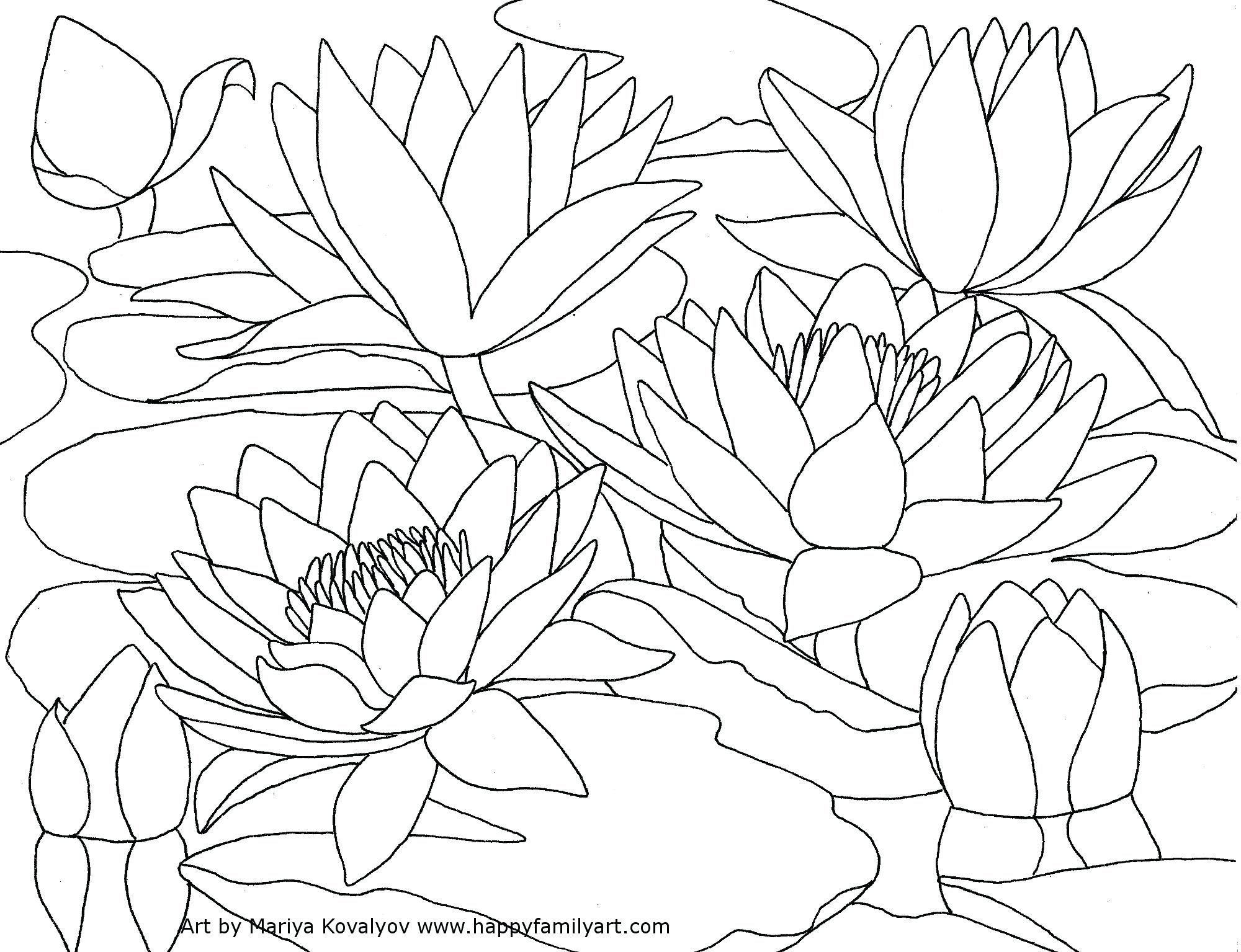
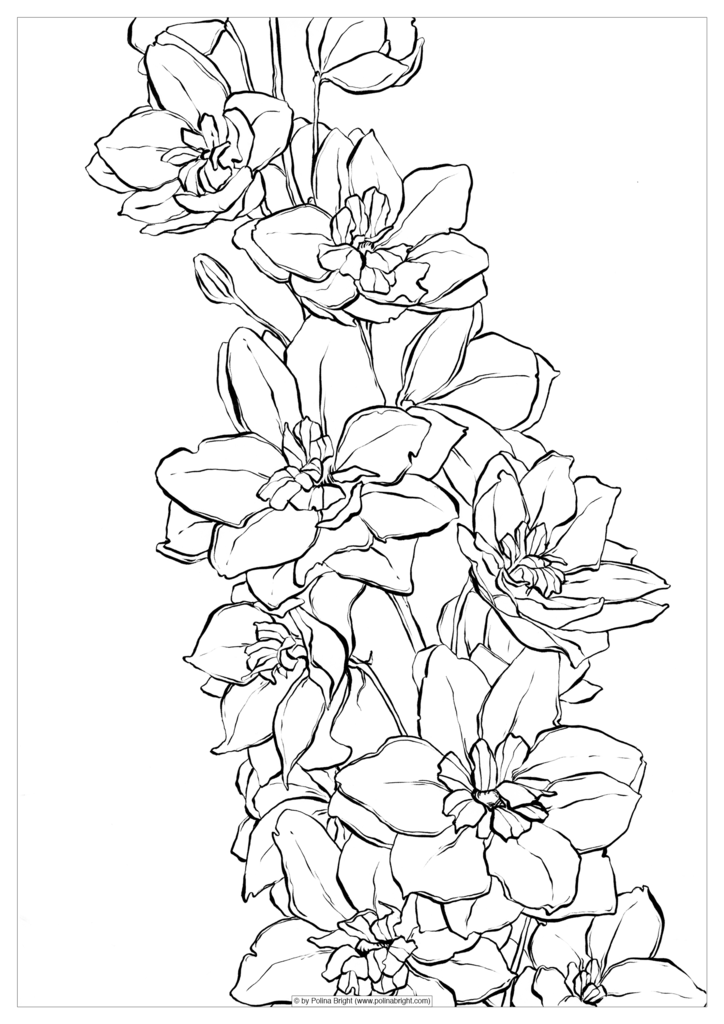
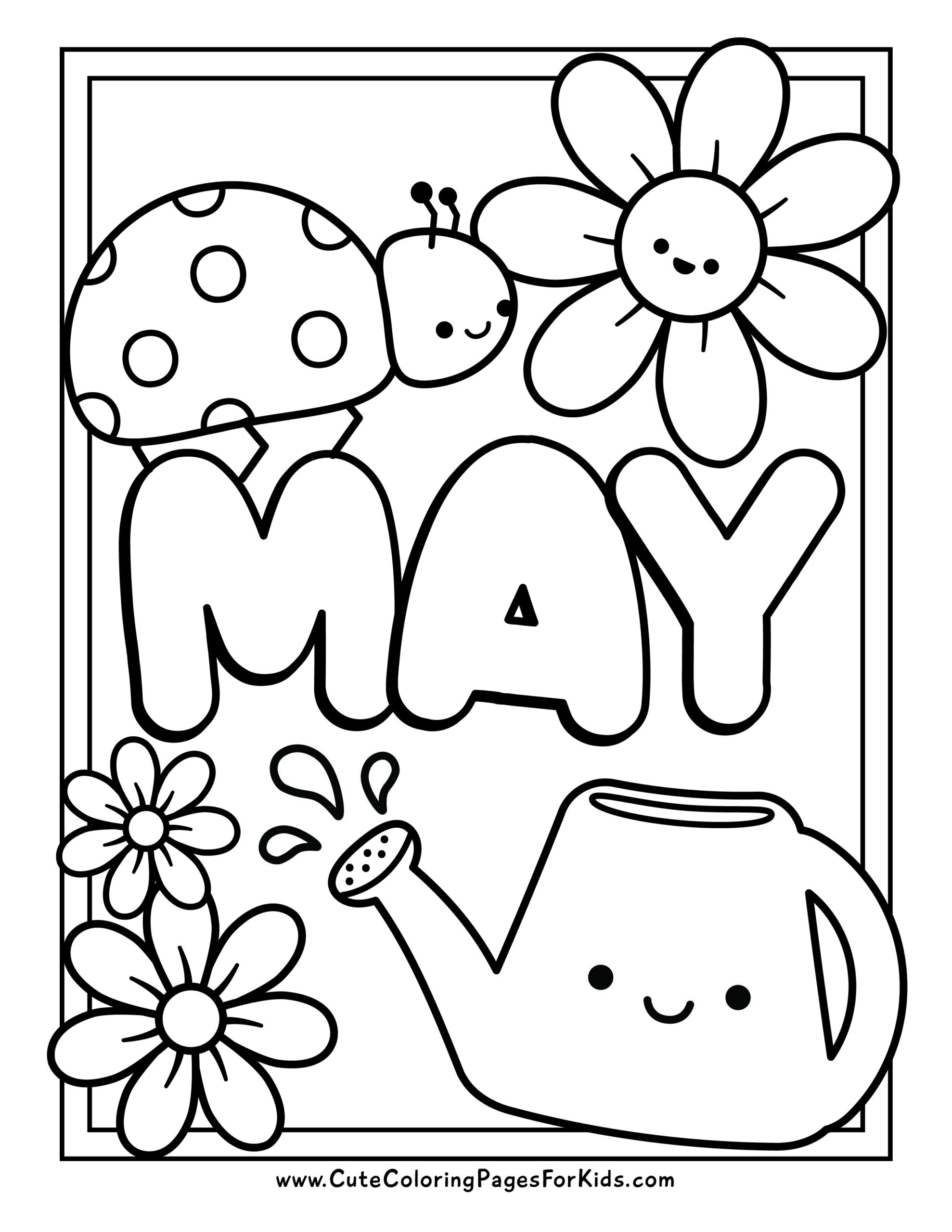
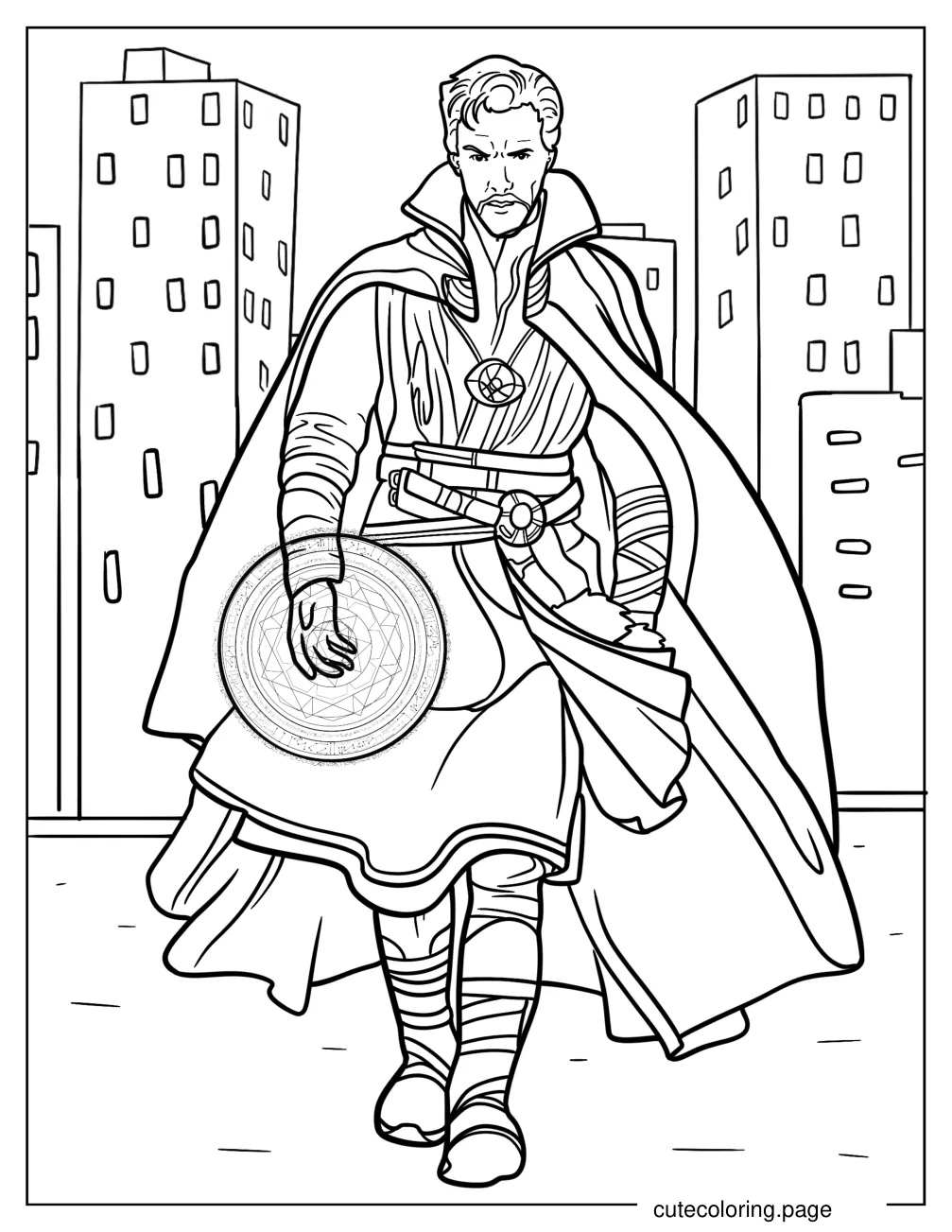
Our specially curated collection of Coloring Pages For Watercolor features bold, whimsical designs that spark the imagination. From friendly forest animals and blooming botanical gardens to magical underwater scenes, every illustration is crafted with intention. The outlines are thick and clear, which helps young artists stay within the bounds while also acting as a natural barrier to keep the watery paints contained within specific areas.
Benefits of This Coloring Activity
Engaging with watercolor coloring pages is much more than just a fun way to pass a rainy afternoon; it is packed with developmental advantages for growing children.
Fine Motor Skill Development
Holding a paintbrush requires a different grip and level of control than holding a standard pencil. As children maneuver the brush to fill in shapes, they strengthen the small muscles in their hands and fingers, which directly supports handwriting and other daily dexterity tasks.
Sensory Exploration and Relaxation
Watercolors offer a uniquely calming sensory experience. The sound of water swishing in a cup, the soft bristles of the brush against the paper, and watching colors bleed and blend together create a deeply soothing environment. This helps children unwind, practice mindfulness, and focus their energy in a positive direction.
How to Use This Coloring Page
Getting started with your watercolor coloring pages is easy and requires very few supplies. Follow these simple steps to ensure a fun and successful painting session:
- Print on the Right Paper: Standard printer paper is often too thin for watercolors and may wrinkle or tear. For the best results, print your coloring pages onto heavy-duty cardstock or watercolor paper.
- Gather Your Supplies: Set out your watercolor paint palette, a jar of clean water, a few different sized paintbrushes, and some paper towels for blotting.
- Protect Your Workspace: Lay down a plastic table cloth or old newspapers to make cleanup a breeze.
- Let the Creativity Flow: Dip the brush in water, swirl it into a favorite color, and gently brush it onto the page. Encourage kids to watch how the water spreads the pigment!
- Dry and Display: Once the masterpiece is complete, set it aside in a flat, safe place to dry completely before hanging it up on the refrigerator.
Tips for Parents and Teachers
- Remind children to dab their brushes gently on a paper towel if they get too much water on the paper, preventing puddles.
- Encourage color blending by letting kids place two wet colors side-by-side and watch them mix organically.
- Use a hairdryer on a low, cool setting if you need to speed up the drying process for impatient little artists.
- Praise the process rather than just the final product to build healthy creative confidence.
Age Recommendations
Coloring Pages For Watercolor are wonderfully versatile and can be enjoyed by a wide range of ages. Toddlers and preschoolers (ages 3 to 5) love the vibrant visual impact and the sensory experience of moving wet paint around, even if they paint outside the lines. Older children (ages 6 to 10) can use these pages to practice more advanced techniques like shading, dry-brushing, and deliberate color theory, turning a simple outline into a work of art.
Frequently Asked Questions
Can I use regular printer paper for these watercolor pages?
While you can use regular printer paper in a pinch, standard paper is thin and will likely warp, pill, or tear when it gets wet. We strongly recommend printing on watercolor paper or heavy cardstock for the best experience.
What kind of watercolor paints work best?
Washable children’s watercolor pans, liquid watercolors, and even watercolor brush pens all work wonderfully with these printable pages. Choose whatever is safest and easiest for the age group you are working with.
How do I stop the paper from curling up as it dries?
Paper curls because the water causes the fibers to expand unevenly. To minimize curling, use heavy paper, avoid using excessive amounts of standing water, and place a heavy book over the dry painting for a few hours to flatten it out.
Explore More Free Printable Coloring Pages
Did you and your little ones enjoy bringing these watercolor pages to life? The creative journey does not have to end here! Browse our expansive library of free printable coloring pages featuring seasonal themes, holiday favorites, alphabet fun, and adventurous animals. There is always a brand-new world waiting to be explored, painted, and colored!
Images References