Coloring Page Of The Number 1

Coloring Page Of The Number 1
Welcome, parents, teachers, and little artists! If you are on a wonderful journey of teaching your children the basics of numbers, you are in the right place. One of the most delightful and engaging ways to introduce early math concepts is through creative art. A coloring page of the number 1 is much more than just a simple sheet of paper with a digit on it; it is a magical gateway to learning, imagination, and foundational cognitive development for young children.
In this article, we will explore everything you need to know about using a coloring page featuring the solo digit. From boosting fine motor skills to sparking creative expression, you will discover how a humble box of crayons can turn learning numbers into an absolute blast. Let us dive in and discover all the fun ways your child can interact with this fantastic educational tool!
What This Coloring Page Features
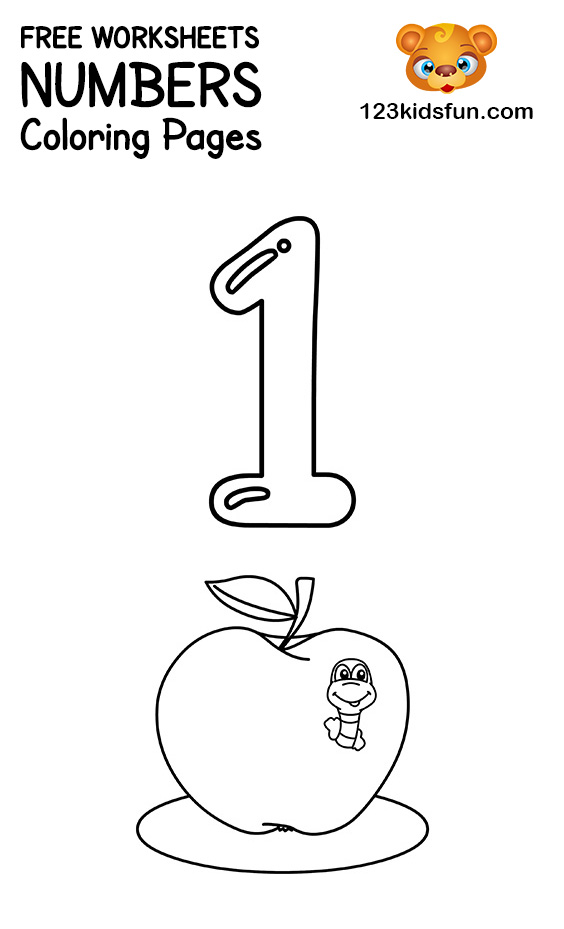
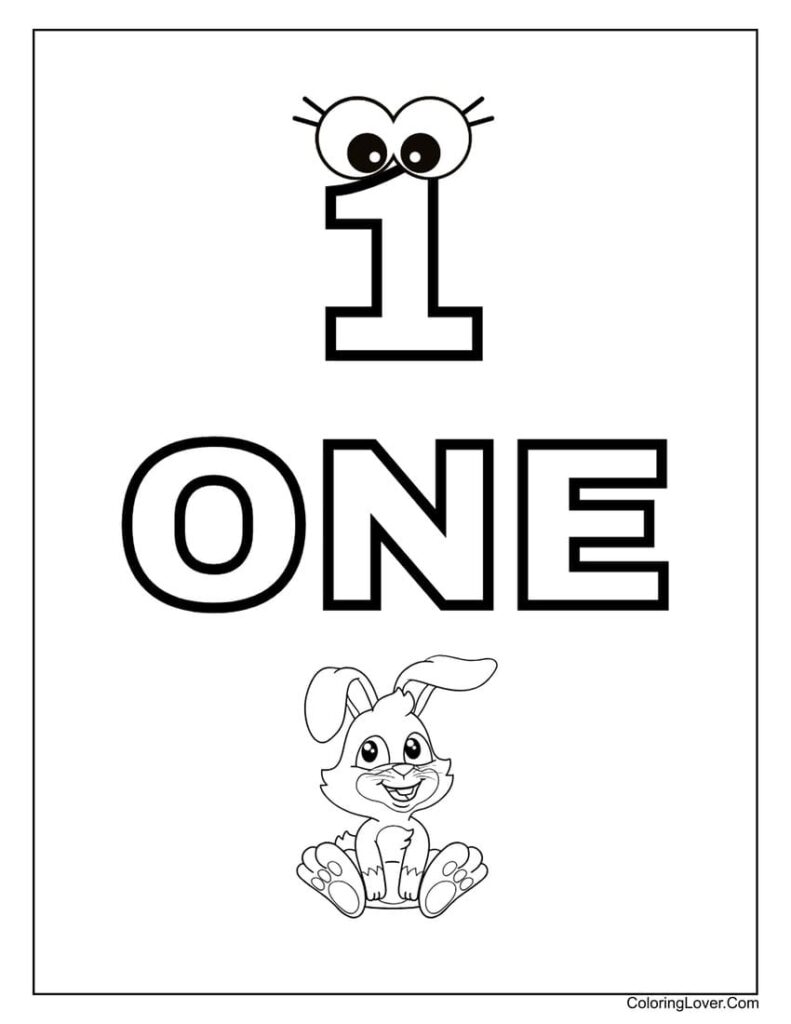
The standard design of a coloring page for the digit one is thoughtfully crafted to capture a child’s interest. Usually, the page centers on a large, bold outline of the number itself, giving tiny hands plenty of space to practice staying inside the lines. But the fun does not stop at the digit alone!
To help children connect the numeral with a real-world quantity, these pages often feature adorable companion illustrations. You might find a single, smiling sun, one fluffy cloud, a lonely rocket ship ready for launch, or a friendly animal like a solitary lion. Additionally, the word “one” is frequently written out in bold, traceable letters at the bottom, helping children make the crucial connection between the written number, the spoken word, and the visual quantity.
Benefits of This Coloring Activity
Coloring is far more than just a rainy-day pastime. When children sit down to fill in a coloring page of the number one, they are actively engaging in several critical developmental processes.
First, it builds essential fine motor skills. Gripping crayons, markers, or colored pencils strengthens the small muscles in a child’s hands and fingers, which directly prepares them for writing letters and numbers with a pencil later on. Second, it enhances hand-eye coordination as kids learn to control their hand movements based on what their eyes see on the page.
Furthermore, this activity reinforces early math literacy. By visually associating the shape of the number with a single object on the page, children begin to truly understand what “one” represents in the real world.
How to Use This Coloring Page
Using this educational printout is wonderfully versatile and fits easily into any daily routine or lesson plan. You can kick off a morning routine by handing your child the sheet along with a fresh set of washable markers.
To make the experience even more interactive, try turning it into a counting game. Ask your child to point to the single object on the page and say the number out loud. You can also encourage them to find one of something in the actual room, such as one door, one table, or one teddy bear. This bridges the gap between the paper and their immediate environment, making the learning experience sticky and memorable.
Tips for Parents and Teachers
- Provide a variety of coloring tools, such as crayons, markers, watercolor paints, or textured oil pastels, to keep the activity fresh and exciting.
- Use tactile materials like glitter glue, torn tissue paper, or stickers to let kids decorate the outline of the number in a 3D style.
- Praise their effort rather than focusing solely on perfection, encouraging them to talk about the colors they chose.
- Display their finished masterpieces proudly on the refrigerator or classroom bulletin board to build their confidence and sense of accomplishment.
- Incorporate movement by having them jump or clap one time whenever they finish a section of the page.
Age Recommendations
This activity is primarily designed for toddlers and preschoolers, typically ranging from ages two to four years old. At this stage, children are naturally curious about the world around them and are beginning to recognize basic shapes and symbols. For younger toddlers around age two, the large, simple shape of the digit provides a forgiving canvas that accommodates scribbling. For older preschoolers around age four, the page serves as a wonderful precursor to handwriting practice, encouraging them to trace the lines carefully and explore color theory.
Frequently Asked Questions
Can children use watercolor paints on this coloring page?
Yes, absolutely! Just be sure to print the coloring page on a heavier cardstock paper instead of standard printer paper if you plan on using wet media like watercolors or markers.
How does coloring help with learning numbers?
Coloring helps children spend more time interacting with the shape of the number. The longer they look at and trace the contour of the digit, the better their brain retains its visual form.
Are these printable sheets suitable for classroom use?
They are fantastic for preschool and kindergarten classrooms! Teachers often use them during the first week of school or as part of a weekly “Number of the Day” curriculum.
Explore More Free Printable Coloring Pages
Did your little artist love coloring the lonely digit one? The learning adventure does not have to end here! We offer a vast library of free printable coloring pages that cover the entire numerical alphabet from zero to ten. You can easily collect the whole set to create a personalized, homemade counting book that your child will cherish. Keep exploring our website to find more alphabet sheets, cute animals, and seasonal activities designed to make learning a joyful daily adventure!
Images References