Anatomy Coloring Pages
Anatomy Coloring Pages
Welcome to the fascinating world of the human body! Have you ever wondered what goes on underneath your skin? How does your heart beat without you telling it to, or how does your brain help you solve a tricky puzzle? Learning about how our bodies work is one of the most exciting adventures a young scientist can embark on.
That is why anatomy coloring pages are such a wonderful tool for kids. They take the mystery out of biology and turn complex scientific concepts into a fun, hands-on art project. By grabbing some crayons, markers, or colored pencils, children can explore the inner workings of themselves while expressing their creativity at the same time.
What This Coloring Page Features
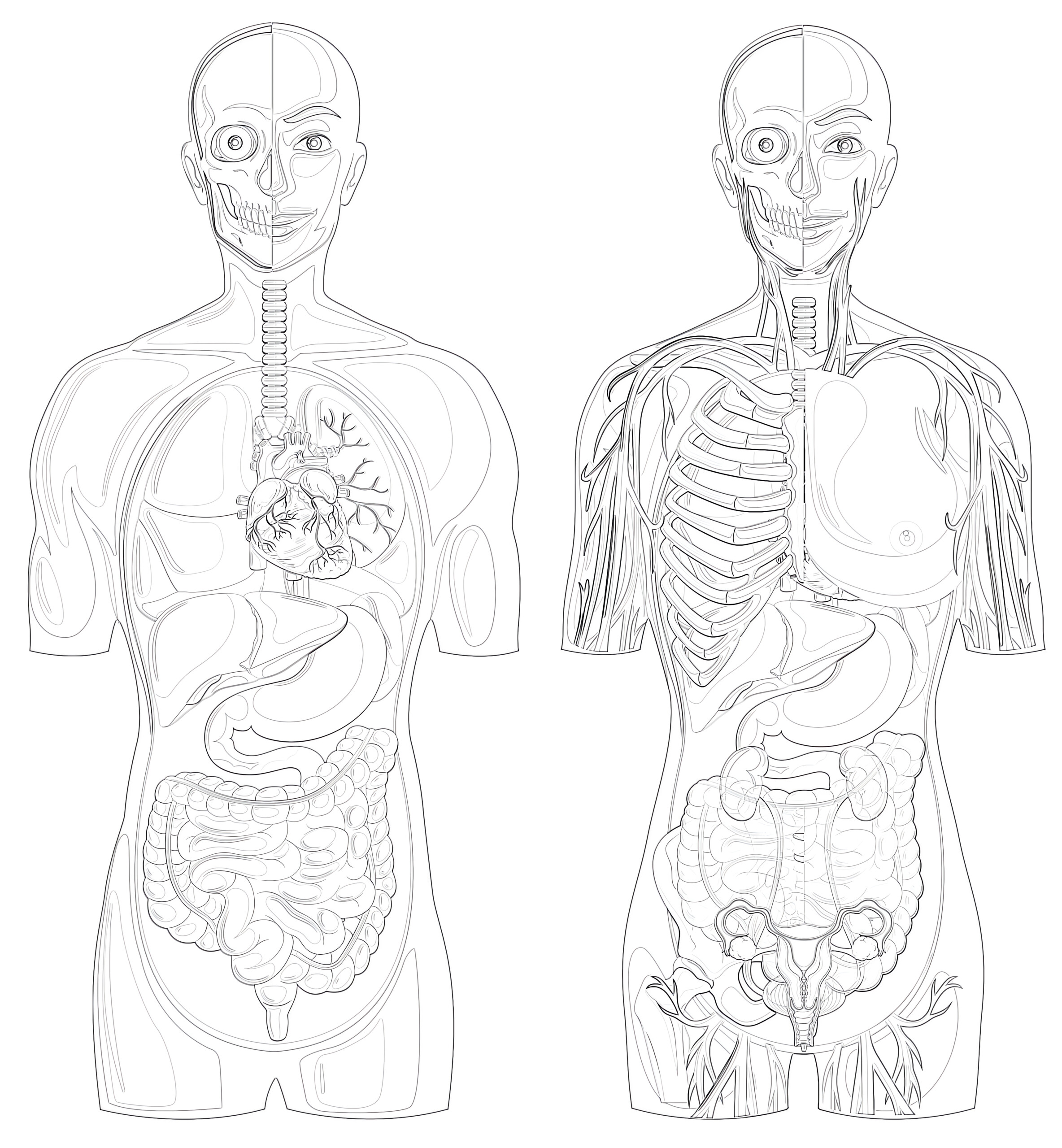
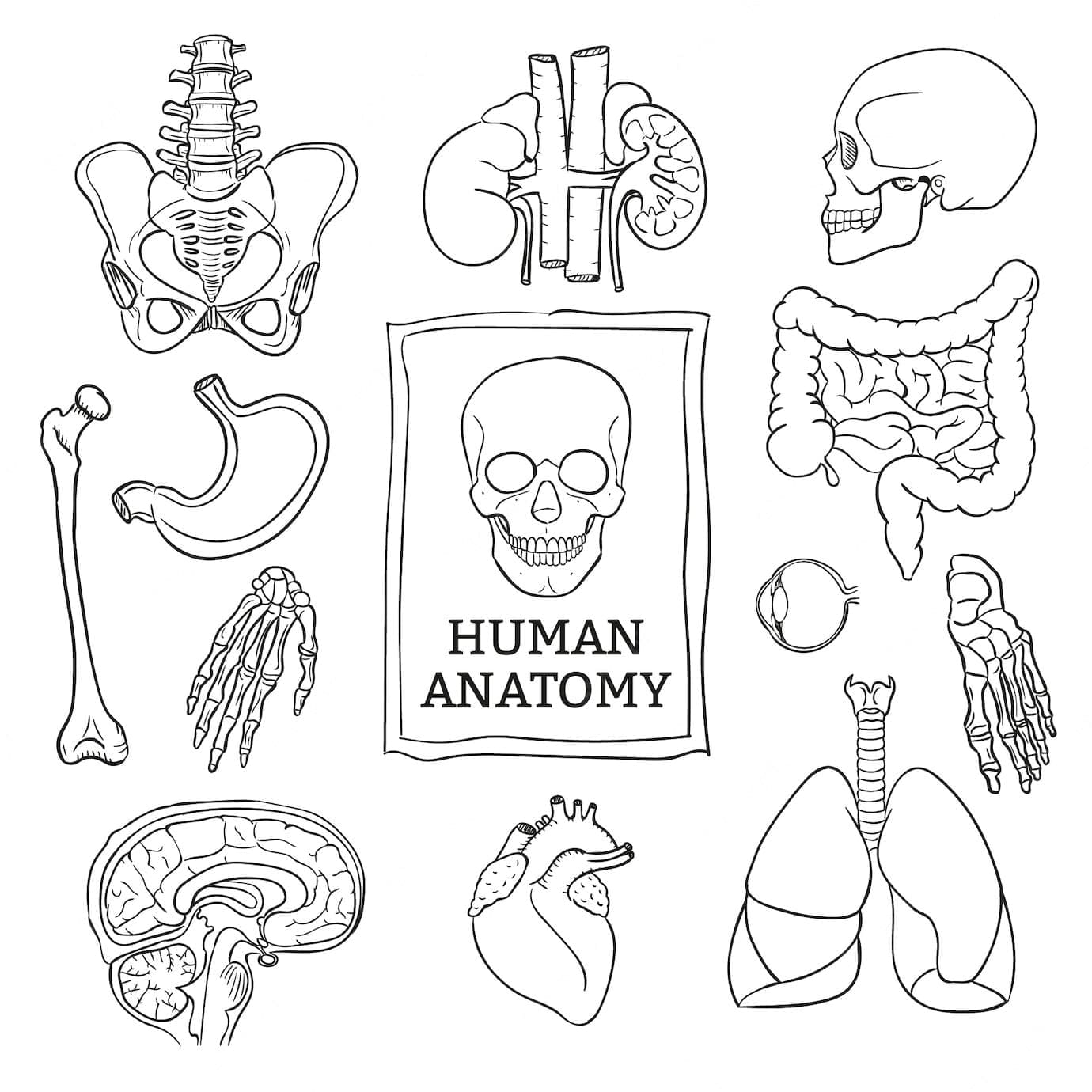
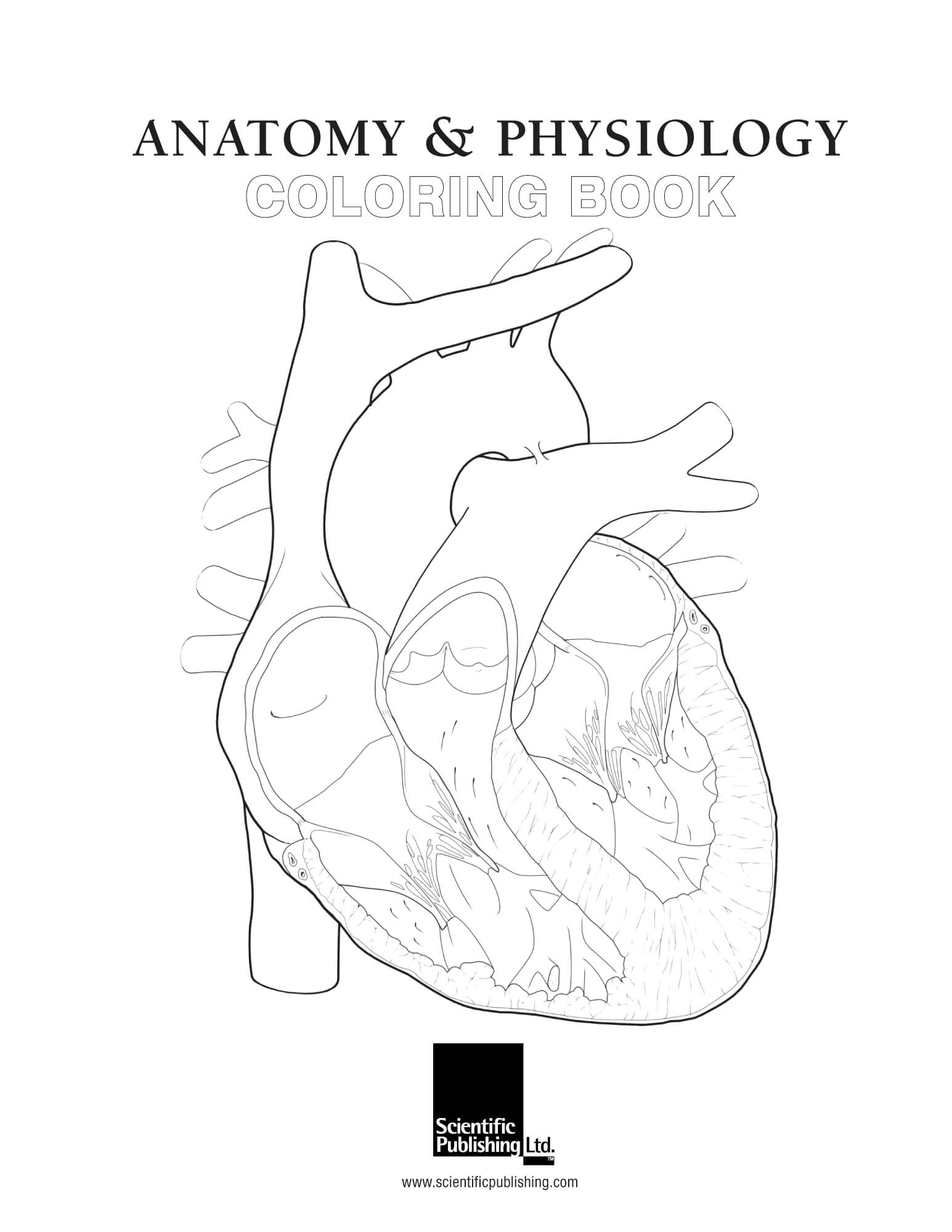
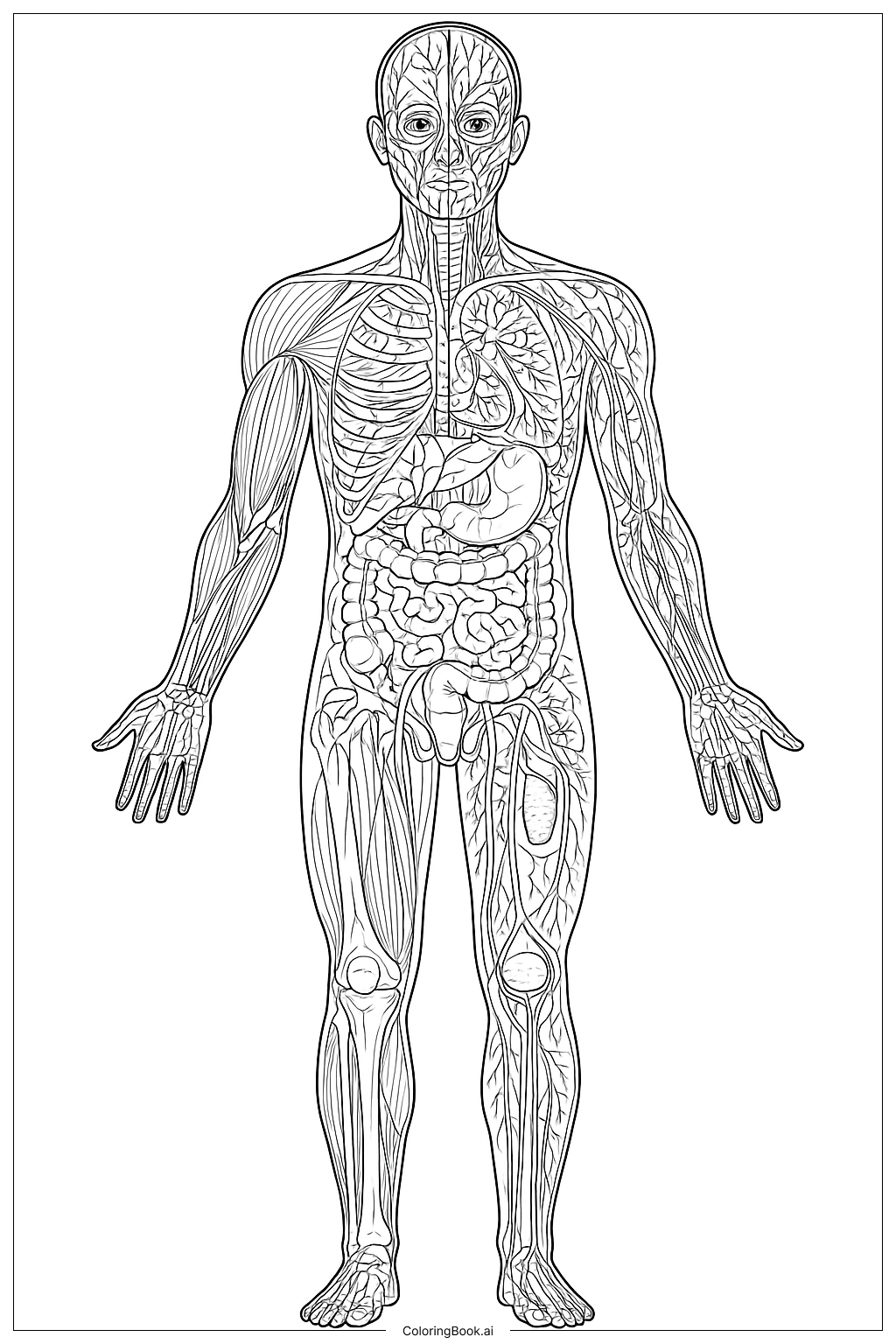
Our anatomy coloring pages are specially designed to be both accurate and kid-friendly. Instead of scary, complicated medical charts, these pages feature friendly illustrations of major body systems. Kids will find pages dedicated to the skeletal system with smiling skulls, the muscular system showing how we run and jump, and the circulatory system tracing the paths of our pulsing hearts.
Each page highlights a different part of the human body with clear outlines and large spaces for coloring. Labels and arrows point to key organs like the lungs, stomach, and brain, making it easy for young learners to connect the visual art with real biological terms. It is like taking a tiny, colorful field trip inside your own body!
Benefits of This Coloring Activity
Coloring is not just a rainy-day pastime; it is a powerful learning tool. When children fill in an anatomy page, they are building a bridge between art and science. Using different colors for different organs helps improve visual memory, making it much easier to remember where things go and what they do.
Additionally, coloring helps develop fine motor skills and hand-eye coordination. Staying inside the lines of intricate organ shapes requires focus and steady hand movements. At the same time, children absorb foundational health and biology knowledge, boosting their confidence for future science classes in school.
How to Use This Coloring Page
Using these coloring pages is as easy as print, grab, and color! First, download your favorite anatomy page and print it out on standard printer paper or slightly thicker cardstock if you plan to use paint or markers. Sit down at a table with a rainbow of crayons, colored pencils, or washable markers.
Before coloring, take a moment to look at the page together. Talk about the featured body part and what its job is. As the child colors, encourage them to use specific colors for specific parts—like red for oxygen-rich blood vessels and blue for returning veins—to turn the activity into an interactive anatomy lesson.
Tips for Parents and Teachers
- Pair the coloring activity with a fun, kid-friendly science book or documentary about the human body.
- Ask open-ended questions while the child colors, such as “What do you think happens to the food we eat once it reaches the stomach?”
- Encourage creativity by letting kids invent their own color codes, as long as they can explain what each color represents!
- Hang the completed artwork on the refrigerator or classroom wall to create a living science museum.
- Laminate the finished pages so children can use dry-erase markers on them over and over again.
Age Recommendations
Anatomy coloring pages are wonderfully versatile and can be adapted for a wide range of ages. Toddlers and preschoolers (ages 3-5) will enjoy the basic coloring sheets that focus on simple shapes like a smiling heart or a friendly set of lungs, helping them learn basic body awareness.
Elementary school students (ages 6-10) will benefit the most from the detailed organ and skeletal system pages, where they can practice reading labels and learning scientific terminology. Even older kids can use these pages as a relaxing way to review for a science quiz!
Frequently Asked Questions
Are these anatomy coloring pages scientifically accurate?
Yes! While the illustrations are friendly and cartoonish to appeal to children, the placement of major organs, bones, and systems is anatomically correct to ensure proper educational value.
What coloring tools work best with these pages?
Colored pencils and fine-tip markers work best because they allow children to color inside the smaller sections, such as individual bones or blood vessels, without losing the details.
Can teachers use these printables in a classroom setting?
Absolutely! These pages are fantastic for science centers, human body units, indoor recess activities, or as a take-home supplement for parents.
Explore More Free Printable Coloring Pages
If your child enjoyed exploring the human body, the learning adventure does not have to stop here! We have a vast library of free printable coloring pages covering everything from the wild animals of the rainforest and outer space adventures to plant life cycles and ancient history. Keep nurturing curiosity and creativity by exploring our full collection of educational coloring sheets today!
Images References