Eyeball Coloring Page

Eyeball Coloring Page
Hello, curious artists and creative minds! Have you ever wondered about the amazing windows to our souls? Our eyes are truly fascinating parts of our bodies, helping us see colorful rainbows, read our favorite books, and spot playful puppies running across the yard. Today, we are going to explore a wonderfully unique and exciting theme for your next art project: the eyeball coloring page!
Whether you are preparing for a spooky Halloween celebration, learning about the human body in science class, or simply looking for a fun and quirky drawing to brighten your afternoon, an eyeball coloring page offers a fantastic canvas. It blends science with imagination, giving kids a chance to play with bright colors while discovering how our eyes actually work. Grab your crayons, markers, or colored pencils, because we are about to take a closer look at this fun-filled artistic adventure!
What This Coloring Page Features
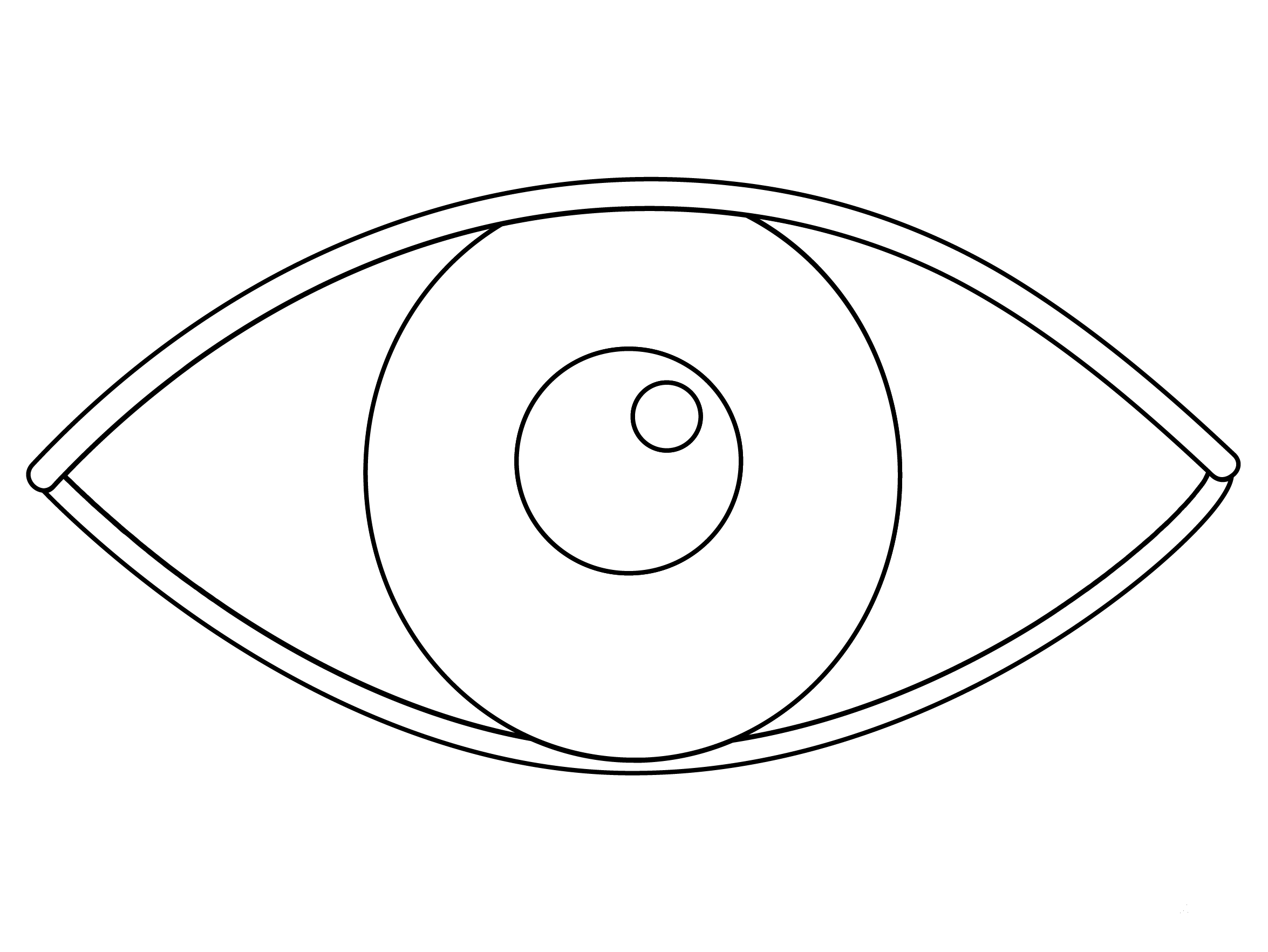
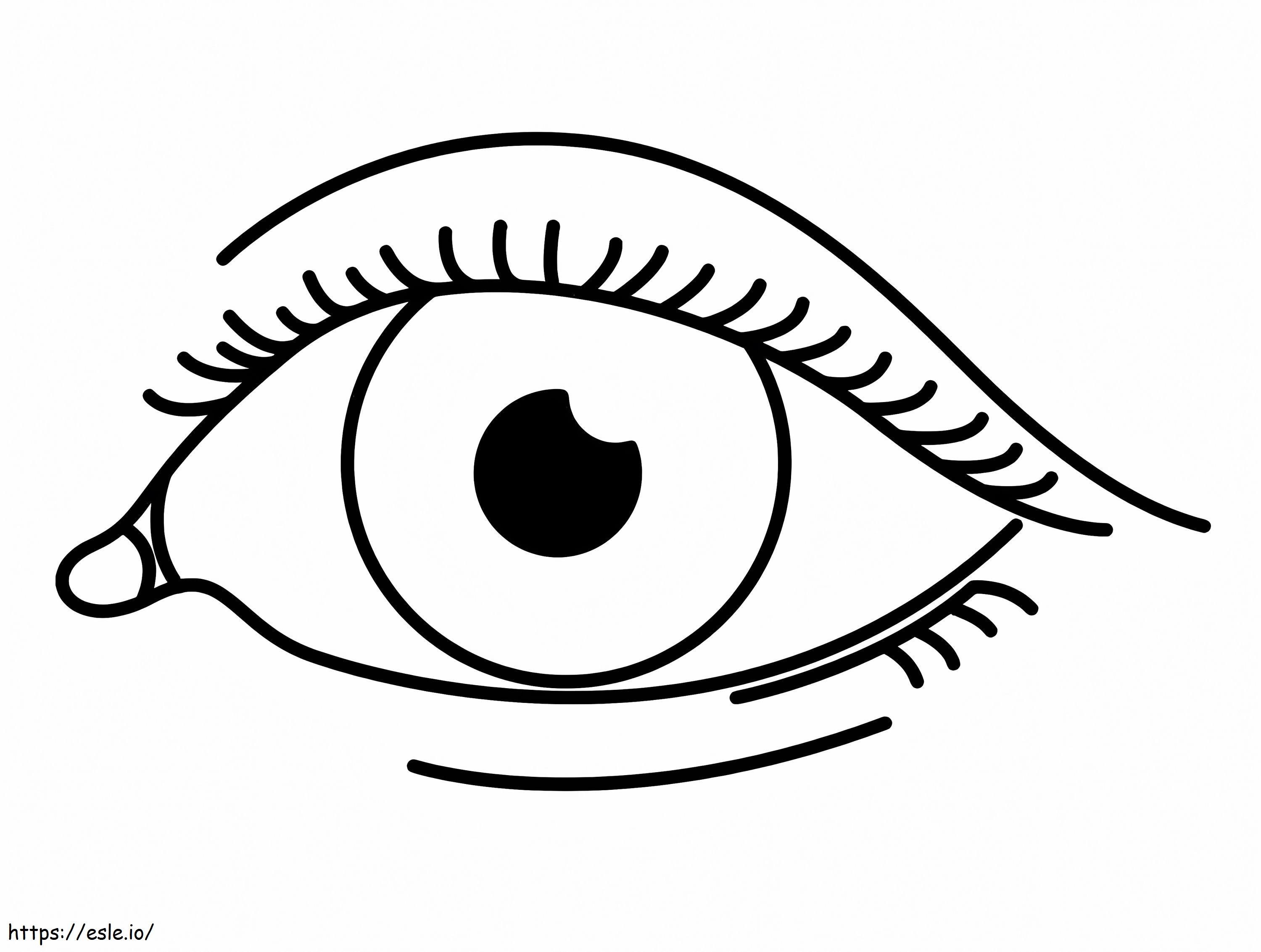
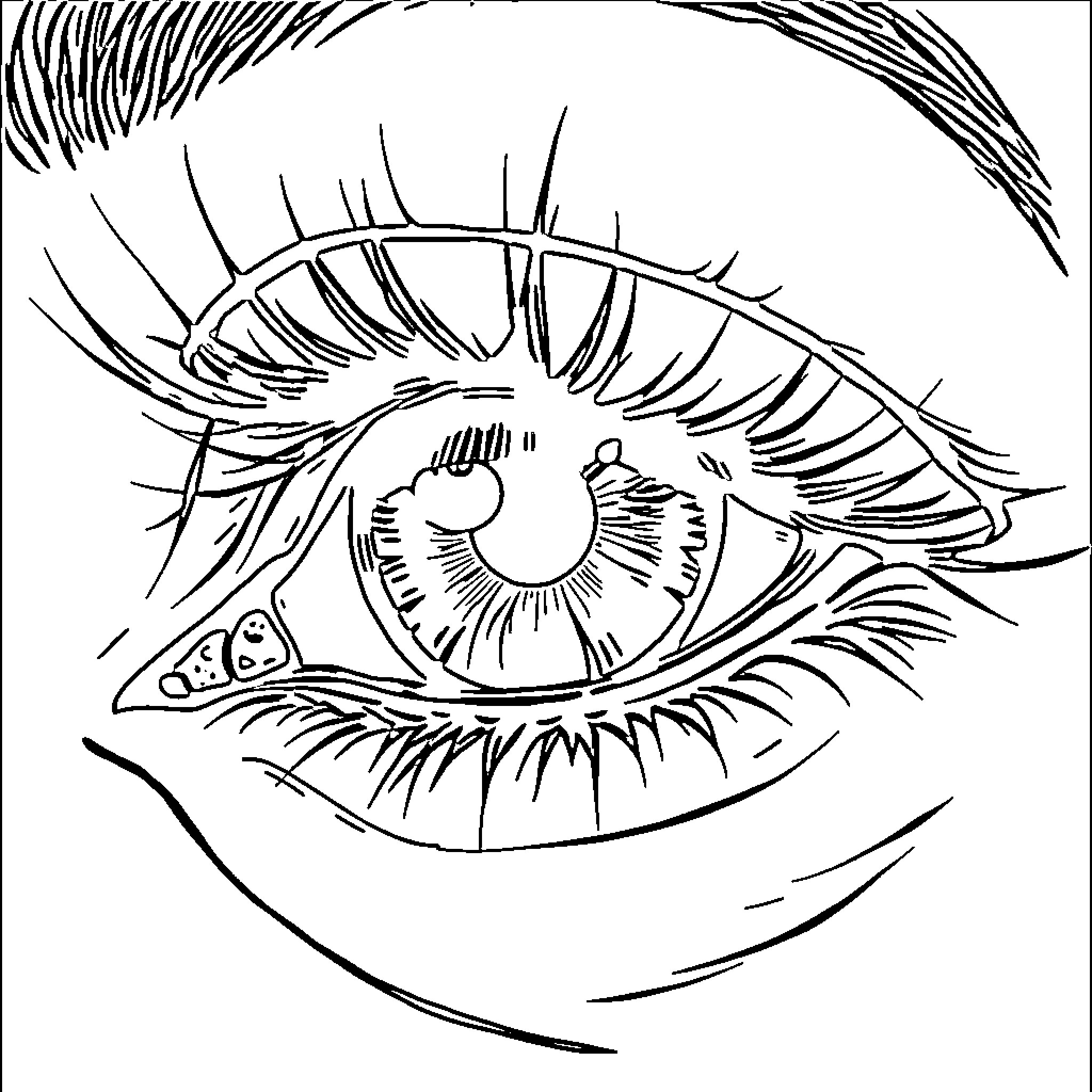
When you look at a classic eyeball coloring page, you will find several key anatomical parts drawn in a friendly, cartoonish style that is easy and fun to color. Let us break down the different parts you will see on the page:
The Colorful Iris and Pupil
Right in the center, you will usually find a large dark circle called the pupil, which is surrounded by the colorful ring known as the iris. This is the part of the eye that can be blue, brown, green, or hazel in real life! On a coloring page, kids can get super creative. Your iris does not just have to be brown or blue—why not color it neon pink with purple polka dots, or a swirling galaxy of rainbow colors?
The Sclera and Optic Nerve
Surrounding the colorful iris is the large white part of the eye, which scientists call the sclera. While it is usually white, artists can add soft shading with grays and light blues to make the eye look round and 3D. At the back of the eye, you might even spot the optic nerve, which looks like a little cable that connects the eye to the brain!
Benefits of This Coloring Activity
Coloring is much more than just a quiet way to pass the time; it is a powerful tool for early childhood development. When children sit down with an eyeball coloring page, they are building essential skills while having an absolute blast.
First, coloring helps strengthen fine motor skills. Holding crayons, gripping markers, and staying inside the bold black outlines of the iris and pupil help children develop the hand strength and coordination needed for handwriting later on. Second, it encourages color recognition and artistic expression. Deciding which colors to blend for the iris helps kids understand color theory and visual balance. Finally, it serves as a wonderful introduction to biology and human anatomy, sparking curiosity about how our senses work in a stress-free, playful environment.
How to Use This Coloring Page
There are so many fun ways to bring your eyeball coloring page to life! Once you have printed out your page, you can experiment with different art supplies. Traditional crayons are great for younger children, while washable markers provide bold, vibrant shades that make the eye pop. If you want to get really fancy, try using watercolor paints to create a soft, blended look on the iris.
Beyond standard coloring, you can turn this page into a craft project. Try gluing googly eyes right over the printed pupil for a hilarious 3D effect! You can also cut out the finished eyeball and glue it onto a popsicle stick to create a fun puppet, or use it as a festive decoration for a science fair presentation or a quirky monster-themed party.
Tips for Parents and Teachers
- Pair the coloring activity with a fun science lesson about the five senses and how our eyes capture light.
- Encourage kids to look in a mirror with a flashlight to see how their own pupils change size in the light and dark before they start coloring.
- Provide a wide variety of art supplies like glitter glue, metallic markers, and textured paper to spark extra creativity.
- Display the finished masterpieces on a refrigerator gallery or a classroom bulletin board to celebrate the children’s hard work.
Age Recommendations
The eyeball coloring page is wonderfully versatile and can be enjoyed by kids of many different ages! Preschoolers and kindergarteners will love the bold, simple outlines, especially if the design features a friendly cartoon face with smiling eyelashes. Older elementary school students can use more advanced shading and blending techniques to make the eyeball look realistic for science projects. Even middle schoolers studying biology might enjoy a fun, quirky coloring break during a busy study session!
Frequently Asked Questions
Are eyeball coloring pages only for Halloween?
Not at all! While they make fantastic decorations for spooky season, they are also widely used year-round in elementary school classrooms to teach biology, anatomy, and the five senses.
What supplies work best for printing these coloring pages?
Standard printer paper works well for crayons and colored pencils. However, if you plan on using wet media like markers or watercolors, printing the page on slightly thicker cardstock will prevent the colors from bleeding through.
Can kids color the iris colors that do not exist in real life?
Absolutely! The best part about art is imagination. Children are encouraged to invent brand-new eye colors like glowing gold, sparkling silver, or rainbow tie-dye.
Explore More Free Printable Coloring Pages
If you loved bringing your eyeball coloring page to life, the artistic journey does not have to end here! We offer a huge library of free printable coloring pages for kids of all ages. Whether you want to explore the wonders of outer space, color cute and cuddly farm animals, dive deep into the ocean to visit friendly sea turtles, or discover cool science themes, there is always a new adventure waiting on the next page. Keep exploring, keep creating, and happy coloring!
Images References