Letter Color Page
Letter Color Page
Welcome to a wonderful world where learning and creativity collide! For young children who are just beginning to recognize the shapes and sounds of the alphabet, finding engaging educational tools is essential. One of the most delightful ways to introduce literacy concepts to little learners is through a dedicated letter color page, which blends the joy of coloring with foundational reading skills.
Coloring is more than just a rainy-day pastime; it is a powerful developmental exercise. When children pick up their favorite crayons, markers, or colored pencils to fill in a letter, they embark on a sensory adventure. This article explores everything you need to know about using a letter color page to support early childhood education, from developmental benefits to creative ways you can use them at home or in the classroom.
What This Coloring Page Features
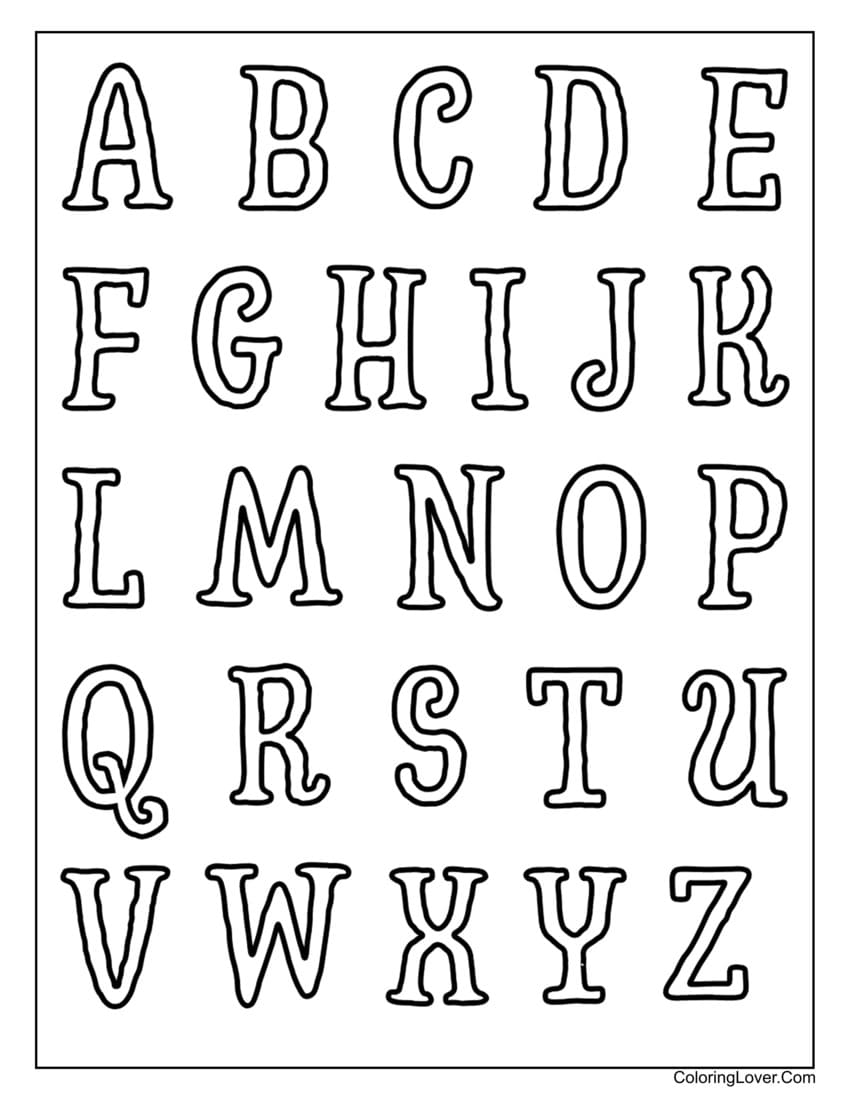
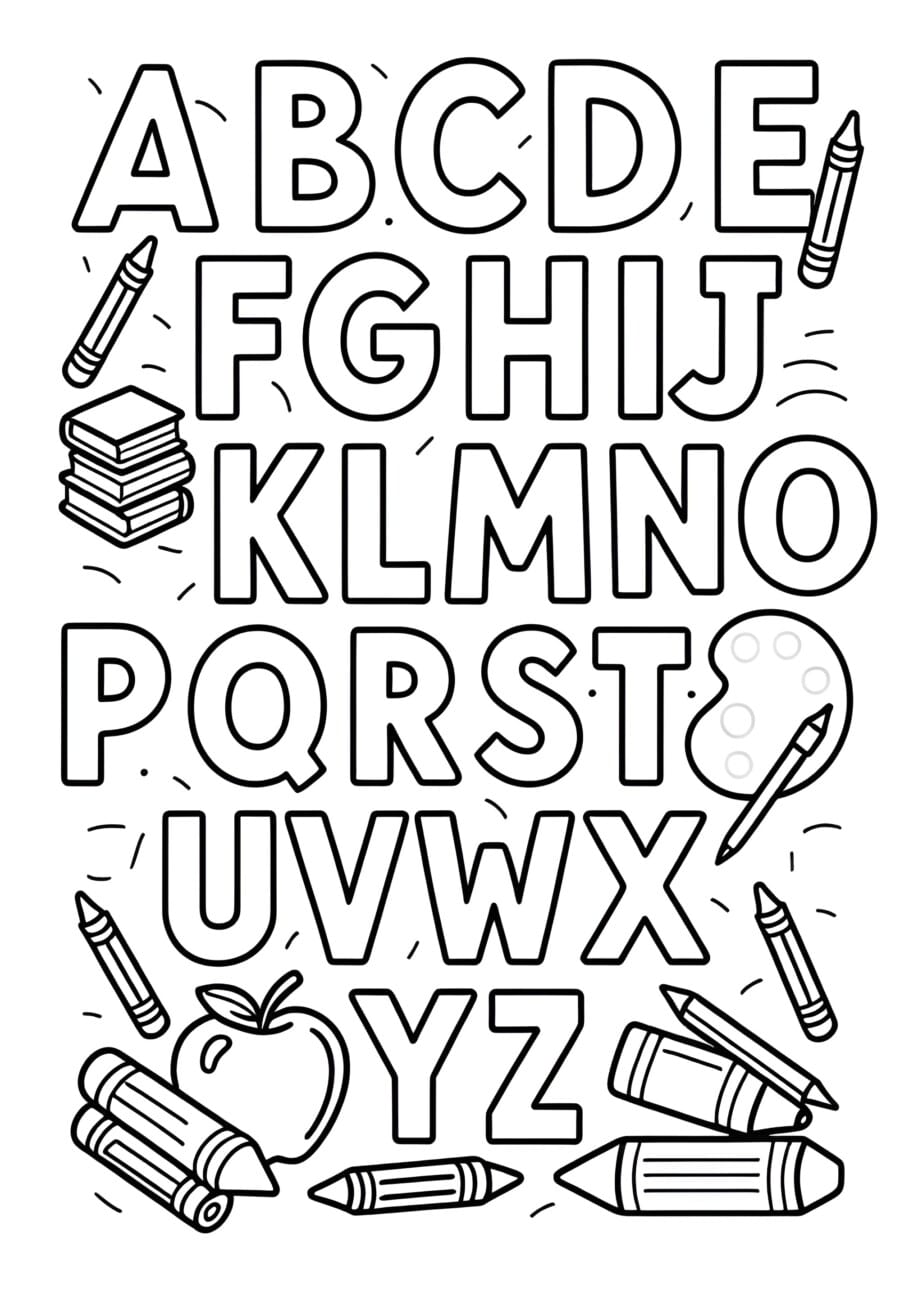
A classic letter color page typically showcases a single letter of the alphabet in a large, bold outline format. These pages are thoughtfully designed to capture a child’s attention while keeping the educational focus clear and uncluttered.
Design Elements and Vocabulary
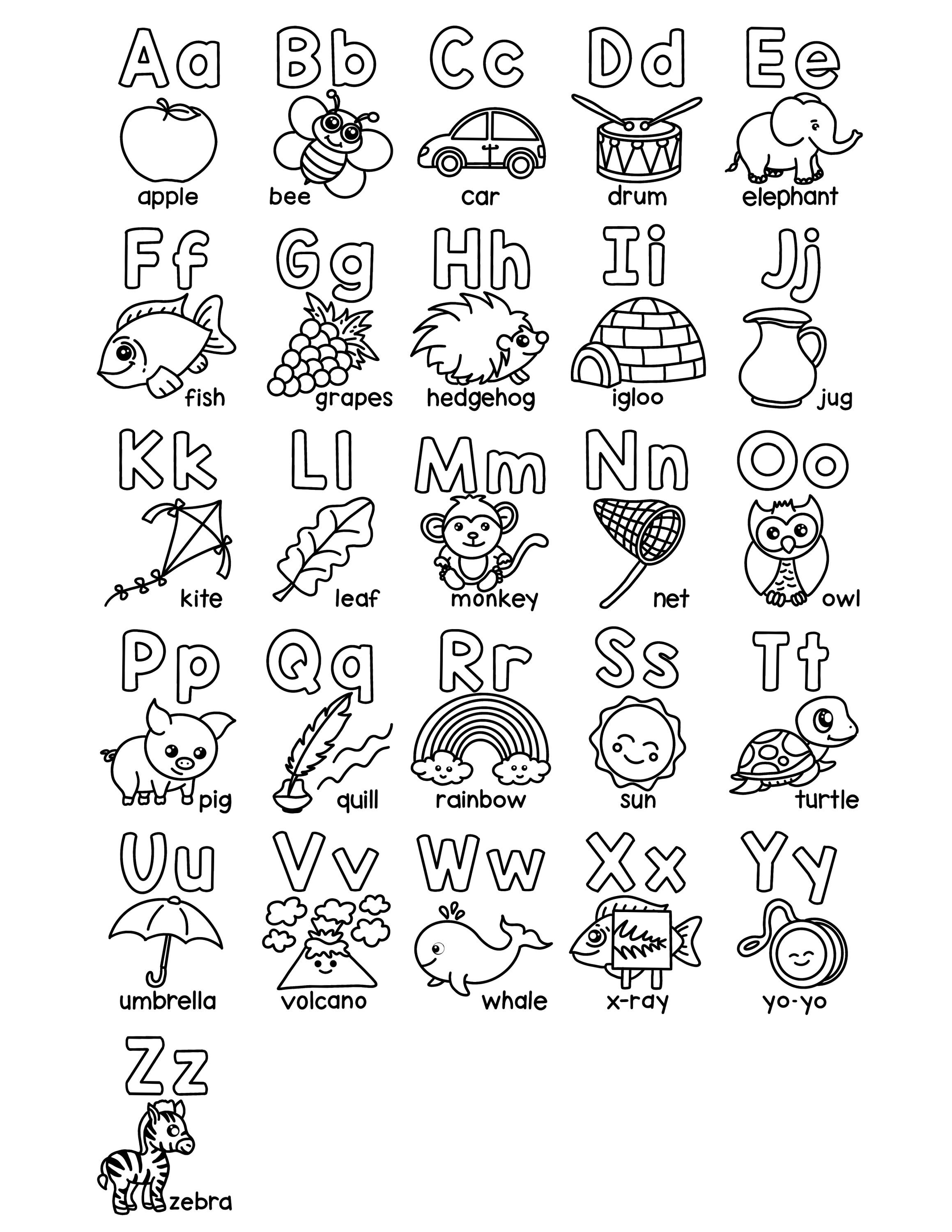
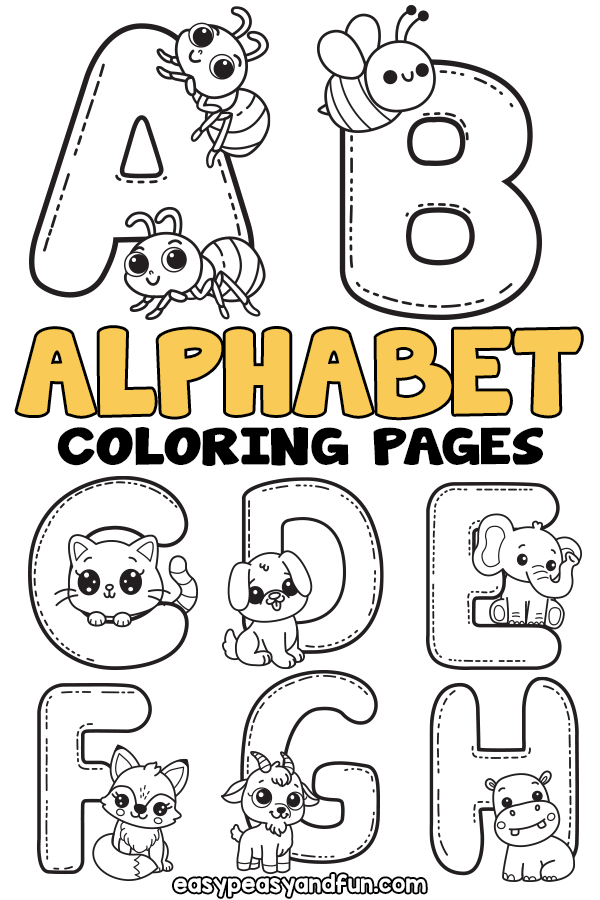
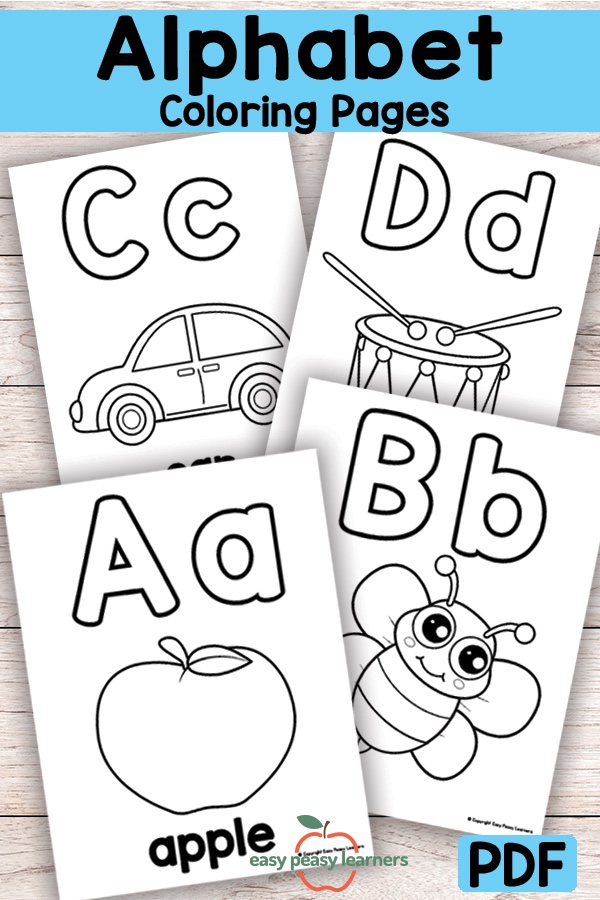
Inside or surrounding the big letter, you will usually find delightful illustrations of objects that start with that specific letter. For instance, an “A” page might feature adorable apples and alligators, while a “B” page could display buzzing bees and bouncing balls. This dual approach helps children connect the visual symbol of the letter with its phonetic sound and real-world vocabulary.
Benefits of This Coloring Activity
Integrating a letter color page into your daily routine offers a myriad of benefits for growing minds and bodies.
Fine Motor Skill Development
Holding a writing utensil requires precise hand-eye coordination and finger strength. As children carefully shade inside the lines of the letter and the accompanying pictures, they refine the exact muscles they will later use for writing and drawing.
Letter Recognition and Phonics
Repetition is key to learning the alphabet. By spending time coloring a letter, examining its curves and straight lines, and talking about the pictures on the page, children lock the letter shape into their long-term memory.
How to Use This Coloring Page
There are countless fun and imaginative ways to bring a letter color page to life beyond traditional crayons.
Creative Mediums
Encourage your little ones to experiment with watercolors, torn tissue paper mosaics, sparkly glitter glue, or even finger paints. Changing up the art supplies keeps the activity fresh and exciting every single time you introduce a new letter.
Tips for Parents and Teachers
- Talk about the sound of the letter while your child colors. Ask questions like, “Can you think of another word that starts with this sound?”
- Encourage your child to trace the outline of the letter with their finger before they start coloring to understand its physical shape.
- Display the finished masterpieces proudly on the refrigerator or classroom wall to boost confidence and reinforce learning.
- Use bright, high-quality printer paper or lightweight cardstock if you plan on using wet mediums like paint.
Age Recommendations
A letter color page is wonderfully versatile and can be tailored to various developmental stages. Toddlers around ages two to three will enjoy simply scribbling and exploring colors on the page, helping them build familiarity with the alphabet. Preschoolers and kindergarteners ages four to six can focus on staying inside the lines, identifying letter sounds, and practicing pencil grip, making these pages an ideal tool for early literacy programs.
Frequently Asked Questions
Can these coloring pages help with handwriting preparation?
Yes, absolutely! The motions used to color within the boundaries of a letter help strengthen the small hand muscles and improve the dexterity required for proper handwriting later on.
What is the best age to introduce alphabet coloring pages?
Children can start interacting with alphabet pages as early as age two for basic color exploration, while structured letter recognition usually begins around ages three to four.
Are these pages suitable for both classroom and home use?
Definitely. They make fantastic independent center activities for preschool classrooms as well as quiet afternoon learning activities at the kitchen table.
Explore More Free Printable Coloring Pages
If you loved this educational activity, your learning journey doesn’t have to stop here! We offer a vast library of free printable coloring pages designed to make learning fun. From numbers and shapes to animals and holiday themes, there is always something new to discover. Browse our collection today and keep the creativity and learning flowing for your little ones!
Images References