Heart Anatomy Coloring Pages
Heart Anatomy Coloring Pages
Welcome to a wonderful world where science meets creativity! If you are searching for a fun, engaging way to introduce young learners to the incredible human body, you have come to the right place. Our collection of educational resources makes learning biology an absolute adventure for kids of all ages. By combining art with science, children can visualize complex internal systems in a way that feels playful rather than overwhelming.
One of the most fascinating organs in the human body is the heart, a tireless muscle that beats around 100,000 times every day. To help children understand how this amazing engine works, we have designed special printable sheets that break down its parts in a colorful and approachable format. These activities turn a traditional science lesson into an artistic masterpiece, encouraging kids to explore anatomy through crayons, markers, and colored pencils.
What This Coloring Page Features
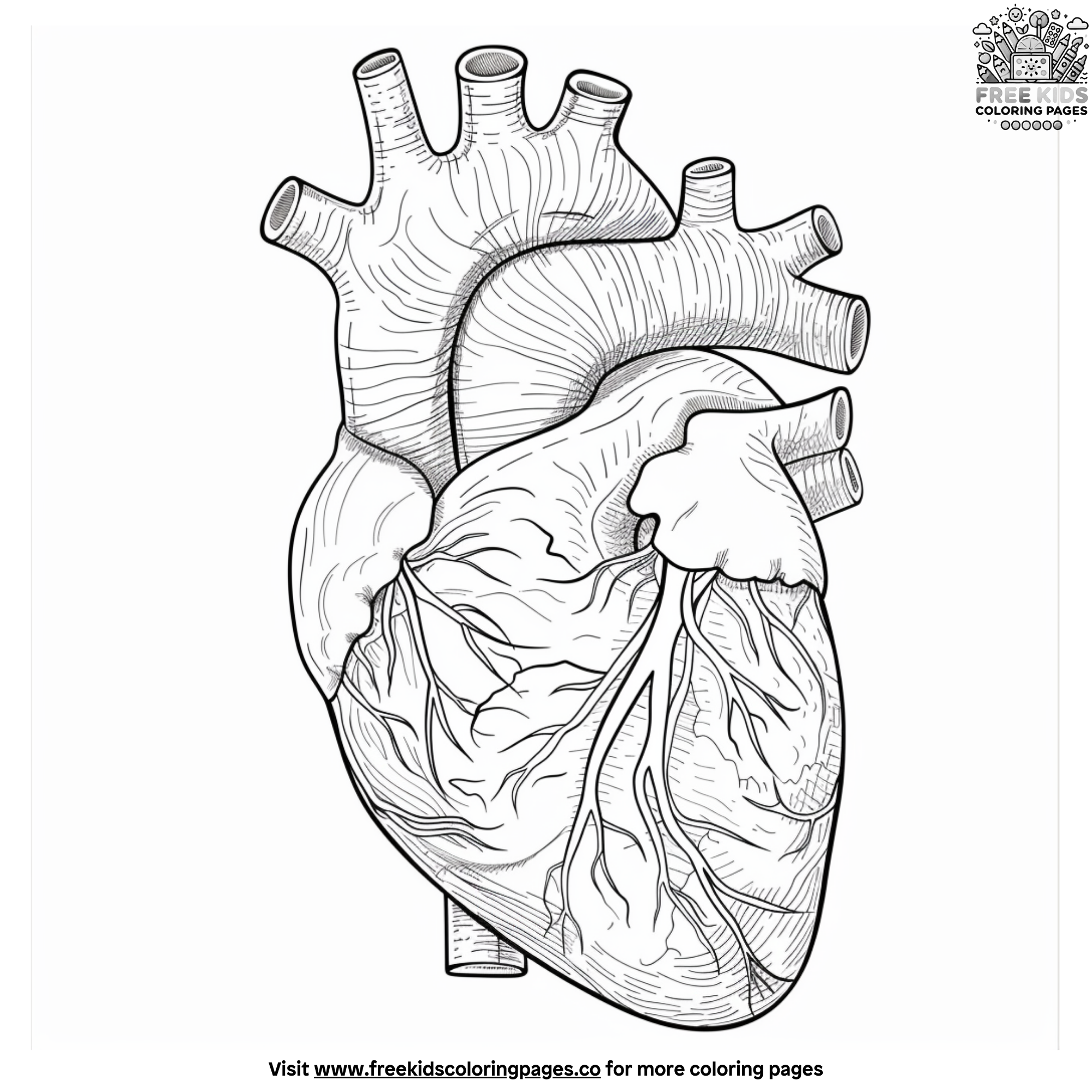
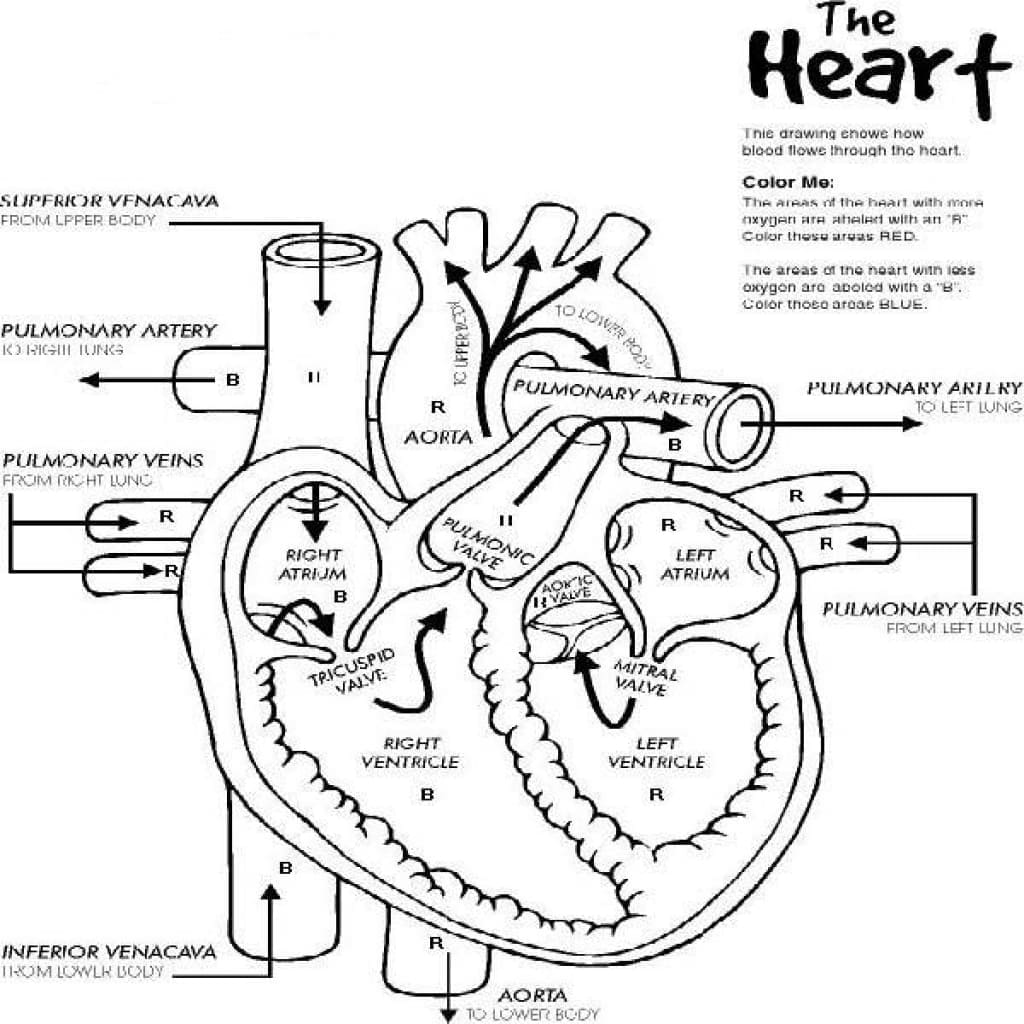
Our educational illustrations are carefully crafted to provide an accurate yet kid-friendly representation of the cardiovascular system. Instead of confusing, overly dense medical diagrams, these printable sheets strike the perfect balance between scientific accuracy and artistic fun.
Key Anatomical Labels
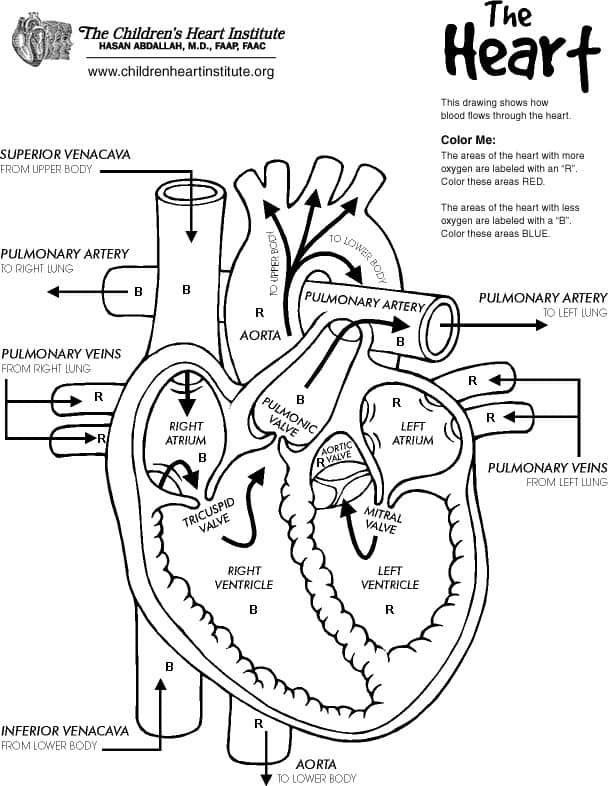
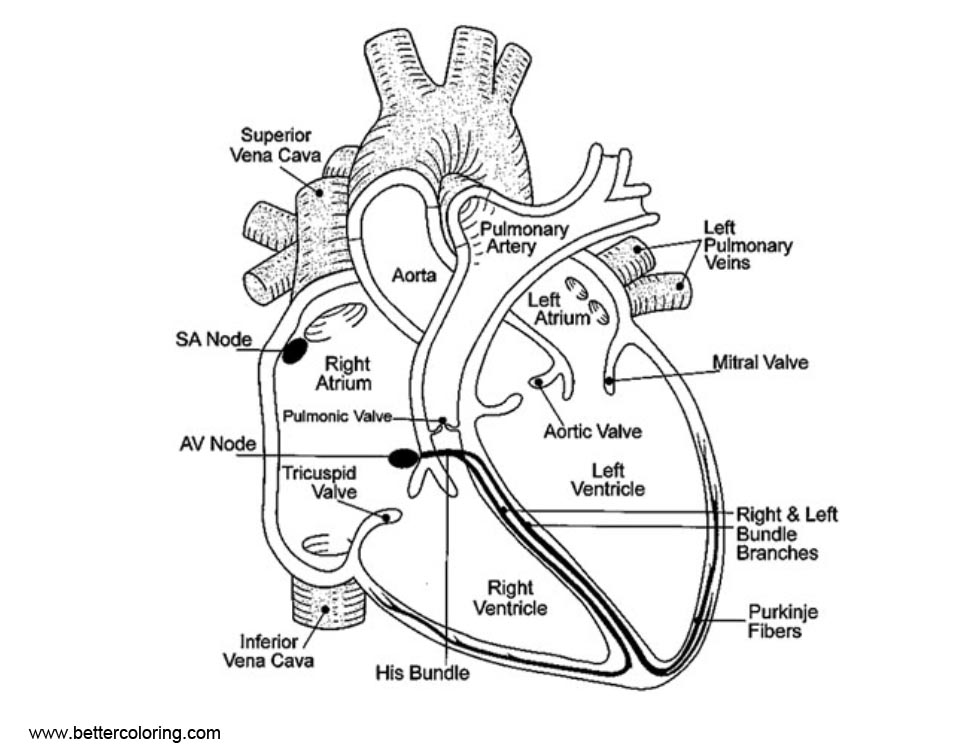
Each printable sheet features clearly labeled sections of the circulatory system. Children will color and identify the right and left atria, the right and left ventricles, the aorta, and the major blood vessels entering and leaving the organ. This clear labeling helps students connect visual art with important biological vocabulary.
Kid-Friendly Design Elements
To keep young learners engaged, the lines are bold, clear, and easy to color within. Some versions even include fun cartoon elements, such as smiling red blood cells or friendly arrows showing the direction of blood flow, making the learning process lively and memorable.
Benefits of This Coloring Activity
Coloring is not just a quiet afternoon pastime; it is a powerful cognitive tool. When kids color biological diagrams, they engage both hemispheres of the brain. The creative side enjoys selecting vibrant reds and blues, while the analytical side processes how blood travels through the body. This dual engagement dramatically improves memory retention, helping kids remember complex scientific facts long after the crayons are put away.
How to Use This Coloring Page
Using these printables in your daily routine is wonderfully simple. All you need to do is download your favorite design, print it out on standard paper or cardstock, and gather your favorite coloring supplies. You can integrate these sheets into a rainy day craft session, a homeschool biology unit, or a classroom science center.
Tips for Parents and Teachers
- Use red and blue crayons or markers to distinguish between oxygen-rich and oxygen-poor blood pathways.
- Ask children to trace the path of blood flow with their fingers while making “whoosh” sounds to add a kinetic element to the lesson.
- Pair the coloring activity with a listening exercise where kids use a stethoscope to hear their own heartbeats before and after jumping jacks.
- Laminate the finished pages so children can use dry-erase markers to review the anatomical labels again and again.
Age Recommendations
These printables are versatile and can be adapted for various developmental stages. Elementary school students in grades 3 through 5 will benefit most from the detailed labeling, using the activity to solidify their understanding of human biology for school science projects. However, younger children in kindergarten and early elementary can still enjoy coloring the simplified outlines, while older middle school students can use them as a relaxing study aid or review sheet before a quiz.
Frequently Asked Questions
Are these printables suitable for classroom use?
Yes, absolutely! Teachers are welcome to print as many copies as needed for their classrooms, science labs, or homeschool co-op groups to enhance their human body curriculum.
What coloring supplies work best with these sheets?
Crayons and colored pencils are ideal because they allow kids to shade in smaller sections without bleeding through the lines. If you print on thicker cardstock, washable markers work wonderfully as well.
Do I need any prior knowledge of biology to teach this?
Not at all! Each sheet includes a helpful answer key or descriptive guide that explains the basic functions of each labeled part, making it easy for parents and educators to guide the learning process.
Explore More Free Printable Coloring Pages
The learning does not have to stop here! Once your young scientist has mastered the circulatory system, be sure to explore our expanding library of educational printables. We offer a wide variety of themed activities, including coloring pages for the brain, lungs, skeletal system, and plant anatomy. Keep nurturing that natural curiosity and make learning a lifelong adventure through art!
Images References