Coloring Pages For Letter A
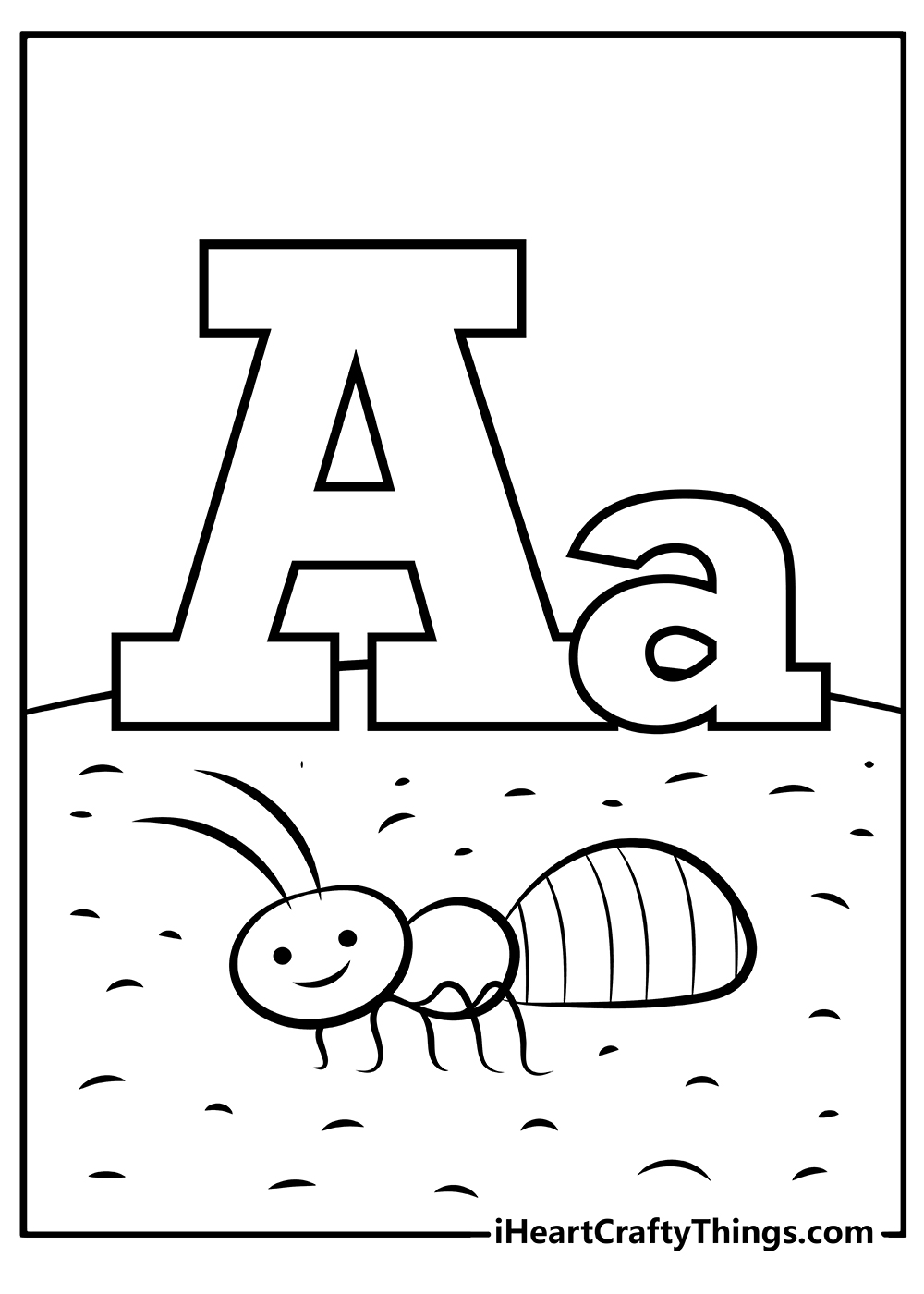
Coloring Pages For Letter A
Welcome to the wonderful world of early literacy and creative fun! If you are on a quest to make learning the alphabet an exciting adventure for your little ones, you have landed in the right spot. Coloring is a magical activity that captures children’s attention, and when combined with the very first letter of the alphabet, it creates a powerful learning experience. Whether you are a dedicated teacher setting up a classroom alphabet station or a loving parent looking for a rainy day activity, these resources are designed to spark joy and curiosity.
Using alphabet-themed art sheets bridges the gap between playtime and study time effortlessly. Children do not even realize they are building essential pre-reading skills because they are too busy having fun picking out their favorite crayons, markers, and colored pencils. Let us dive into everything you need to know about these delightful educational tools and how they can benefit your young learner.
What This Coloring Page Features
Our specially designed sheets are packed with engaging elements that capture the essence of the first letter of the alphabet. Each page is thoughtfully curated to provide a balanced mix of fun and education.
Key Visual Elements
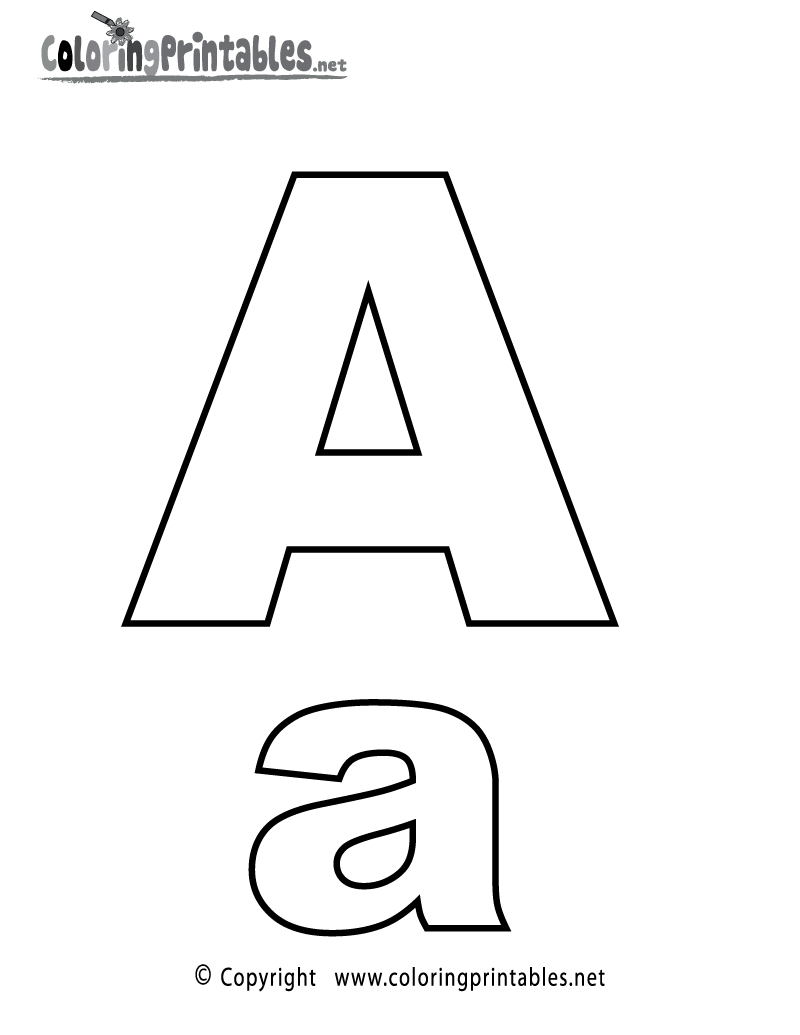
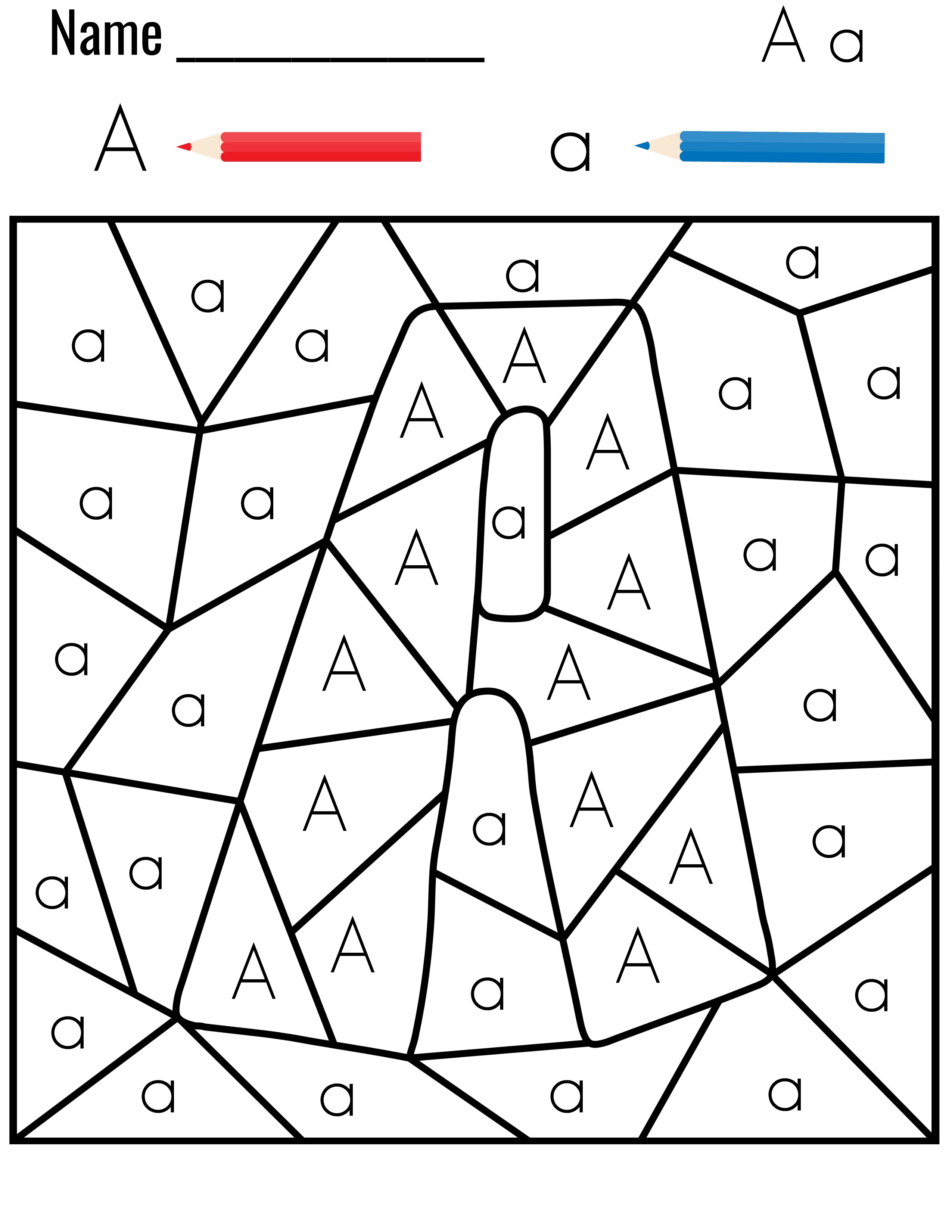
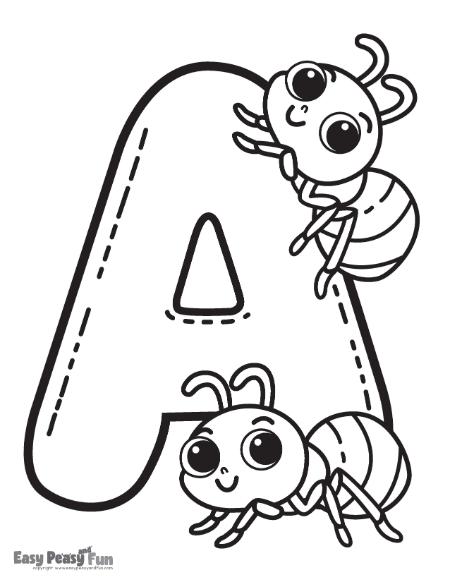
Every sheet typically showcases a large, bold uppercase “A” and a friendly lowercase “a” right beside it. Surrounding these letters are delightful illustrations of familiar objects that start with the “A” sound, such as juicy apples, flying airplanes, adorable alligators, and bouncy ants. The outlines are thick and clear, making it much easier for tiny hands to stay within the lines while they practice their motor skills.
Benefits of This Coloring Activity
Beyond just keeping children quietly occupied for a little while, these art sheets offer a treasure trove of developmental advantages. As children carefully fill in the spaces, they are actively strengthening the small muscles in their hands and fingers, which is crucial for future handwriting success. Additionally, associating the visual shape of the letter with items that start with its phonetic sound helps cement letter recognition in the young brain. It is a fantastic sensory experience that encourages color awareness, patience, and a sense of accomplishment.
How to Use This Coloring Page
Integrating these educational sheets into your daily routine is as easy as ABC. Simply download your favorite designs, print them out on standard paper or slightly thicker cardstock, and lay out a rainbow of coloring supplies. You can turn it into an interactive game by asking your child to name each object as they color it. For instance, while coloring an apple, you can ask, What color is this apple? Is it red or green? You can also practice the phonetic sound together by making the short “ah” sound of the letter.
Tips for Parents and Teachers
- Provide a variety of tactile mediums like crayons, washable markers, watercolors, and textured stickers to keep the activity fresh and exciting.
- Laminate the finished masterpieces or place them in clear plastic sleeves to create a reusable wipe-clean alphabet board.
- Hang the completed artwork on the refrigerator or a dedicated classroom wall to boost your child’s pride and confidence.
- Encourage your child to trace the big and small letters with their finger before picking up a coloring tool to practice proper stroke direction.
Age Recommendations
These educational sheets are primarily tailored for toddlers, preschoolers, and kindergarteners ranging from ages two to six years old. Younger toddlers around ages two and three will enjoy exploring colors and scribbling freely over the large shapes, while older children in preschool and kindergarten can focus on precision, tracing the letter outlines, and identifying the starting sounds of the illustrated objects.
Frequently Asked Questions
Are these alphabet sheets completely free to use?
Yes! You can easily download and print as many copies as you need for your classroom, homeschool group, or personal home use without any hidden costs.
What coloring tools work best for younger children?
For toddlers and younger preschoolers, large, chunky crayons or washable palm-grip markers are ideal because they are easy to grasp with an undeveloped pincer grasp.
How can I help my child if they struggle to stay inside the lines?
Remind your child that coloring outside the lines is totally okay! Focus on the fun and the learning process rather than perfection. Over time, their hand-eye coordination will naturally improve.
Explore More Free Printable Coloring Pages
The learning journey does not have to stop with the first letter of the alphabet! Once your little learner has mastered this starting step, there is a whole world of creativity waiting for them. Be sure to browse our extensive collection of subsequent alphabet pages, numbering worksheets, shape recognition activities, and adorable animal themes. Keep the educational adventure going and watch your child’s love for learning grow page by page!
Images References