Bugs Coloring Page
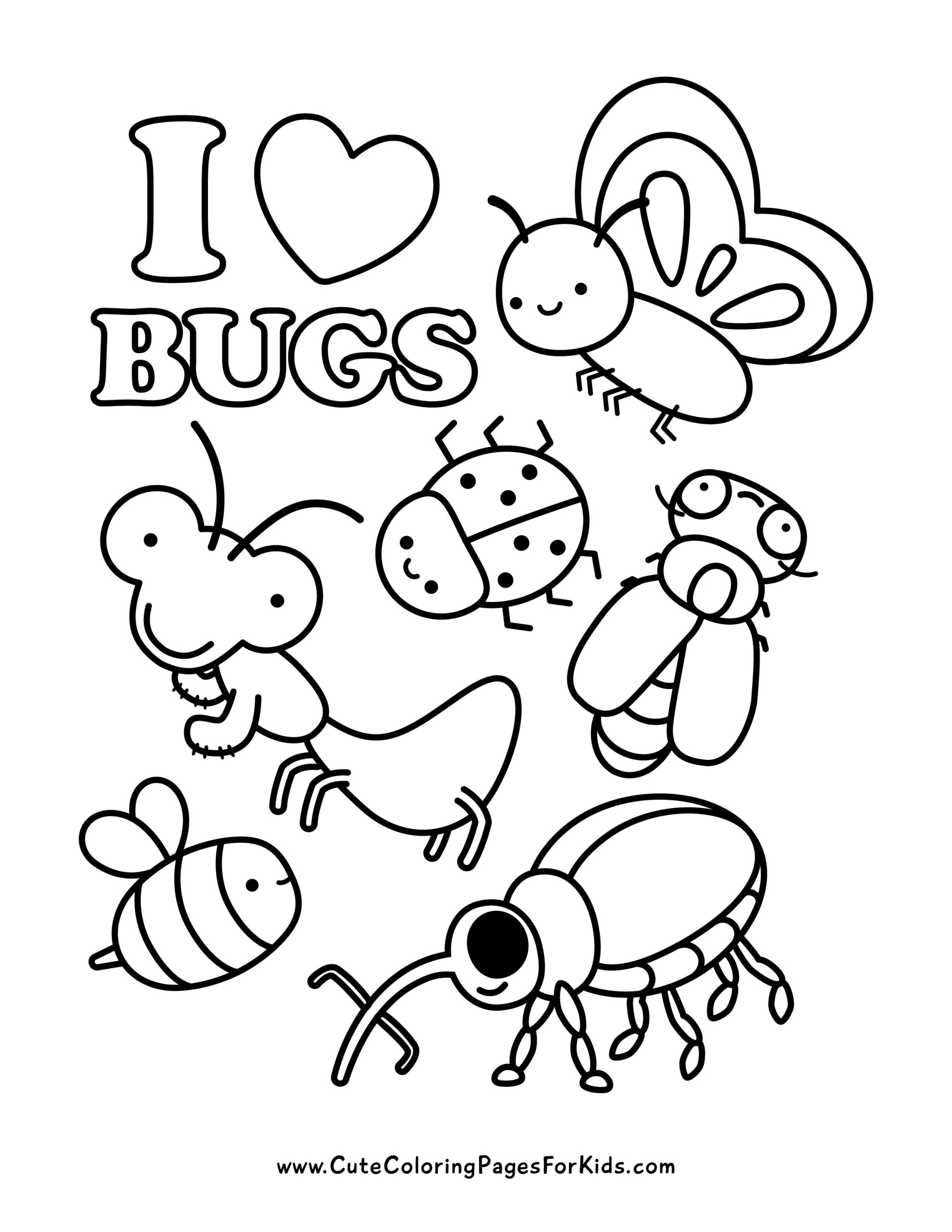
Bugs Coloring Page
Welcome to the wonderful, wiggly world of insects! If you are looking for a fantastic way to spark your child’s creativity while teaching them about the natural world, you have come to the right place. A bugs coloring page is more than just a fun afternoon pastime; it is a gateway to an exciting microscopic universe where tiny creatures do big things.
Children have a natural fascination with creepy-crawlies. Whether they are watching an industrious line of ants march across the sidewalk or marveling at the bright, spotted wings of a ladybug, kids are naturally drawn to these miniature animals. Bringing this curiosity to the art table allows children to explore colors, patterns, and shapes while connecting with the great outdoors right from their living room or classroom.
What This Coloring Page Features
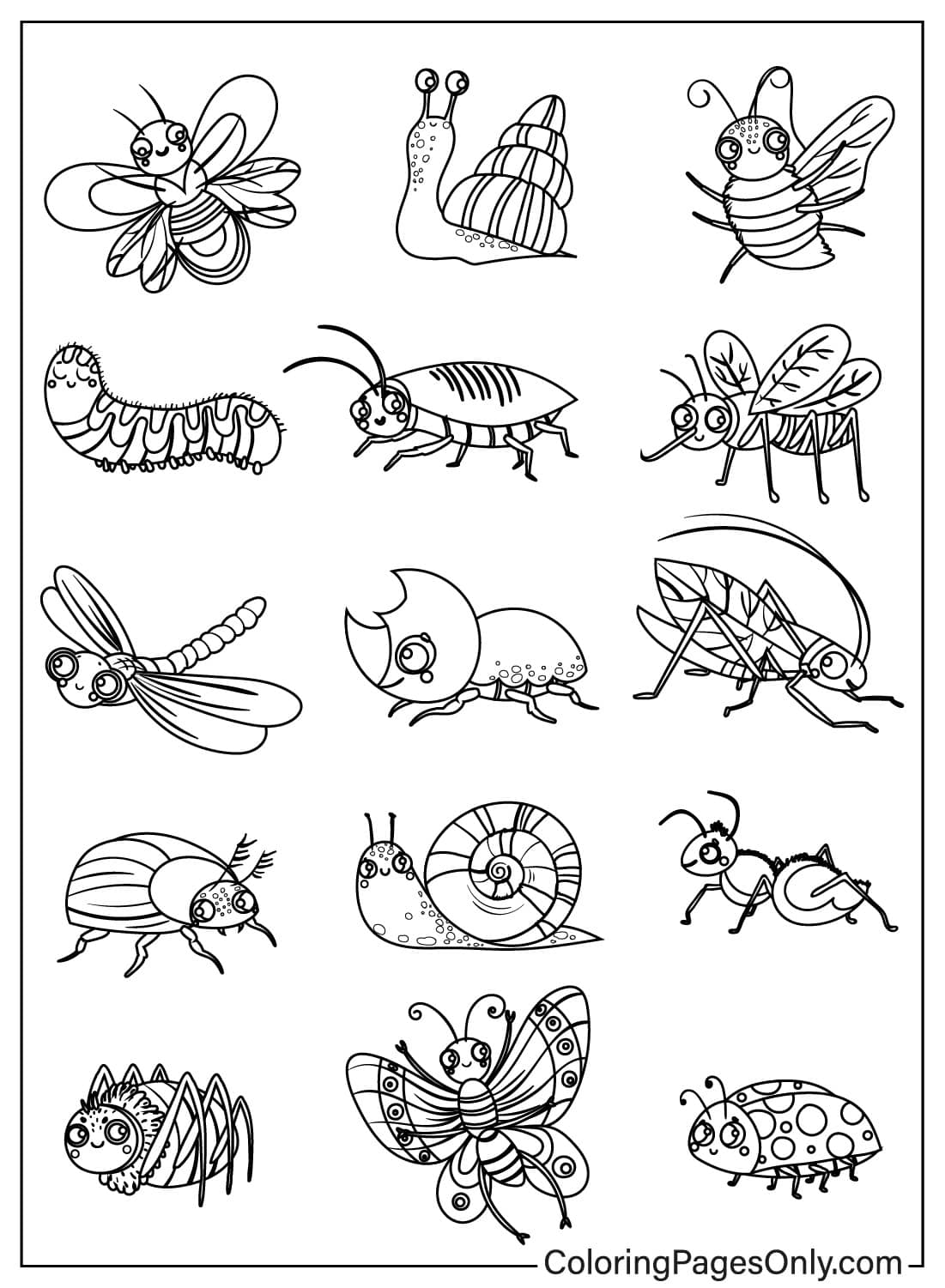
Our specially designed insect activity sheet is packed with friendly, smiling critters that are eager to meet young artists. When children look closely at the page, they will discover a bustling backyard ecosystem.
The artwork includes a cheerful bumblebee with fuzzy stripes, a majestic butterfly spreading its symmetrical wings, a curious snail carrying its cozy shell home, and a happy caterpillar munching on a leafy green snack. Each bug is drawn with bold, clear outlines, making it exceptionally easy for little hands to stay inside the lines while still leaving plenty of room for imaginative detailing.
Benefits of This Coloring Activity
Coloring is not just a quiet way to pass the time; it is a powerhouse activity for early childhood development. When children sit down with crayons, markers, or colored pencils, they are building essential skills.
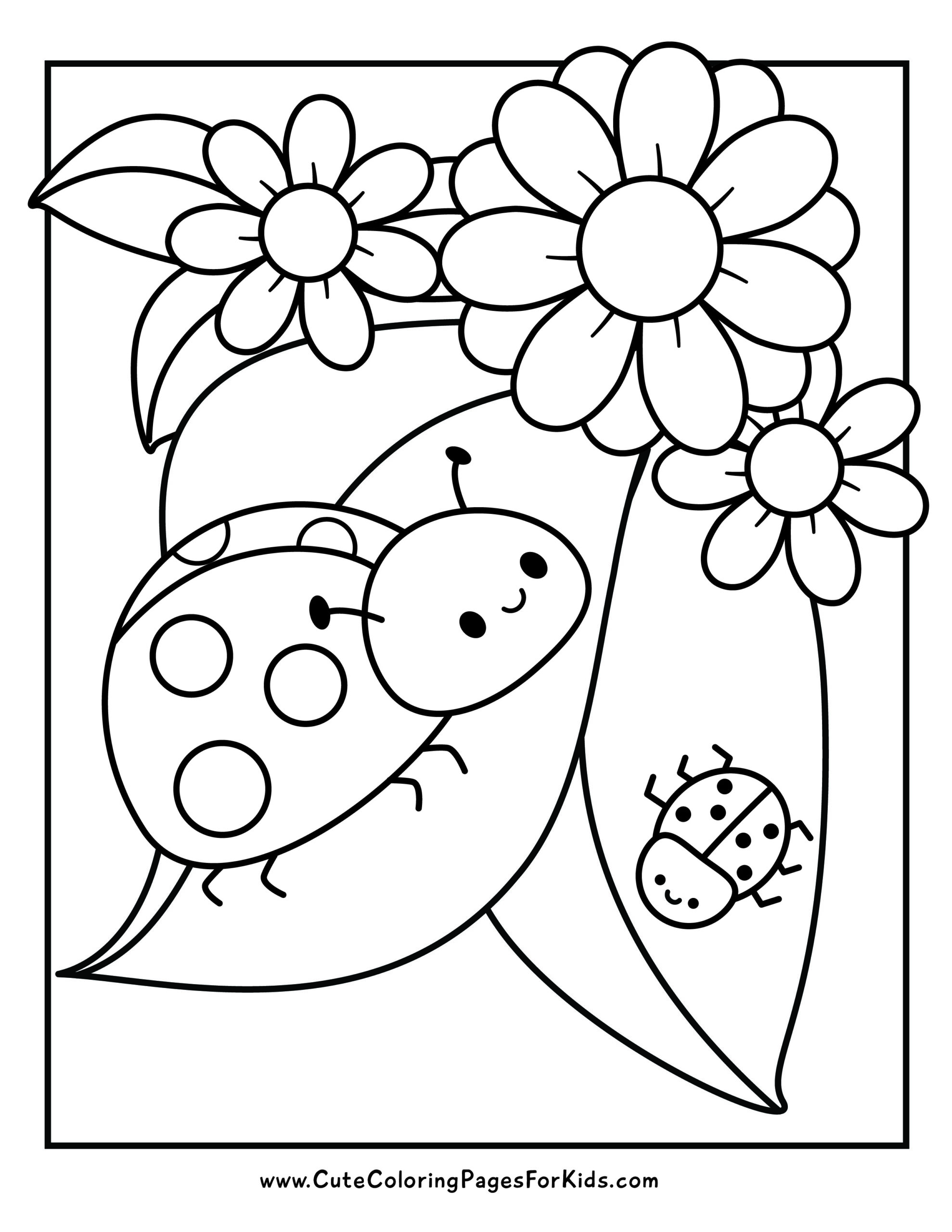
First, filling in small areas helps build fine motor skills and hand-eye coordination. Gripping a coloring tool strengthens the exact muscles kids need later on for handwriting. Second, choosing which colors to use encourages decision-making and artistic expression. Will the ladybug be traditional red and black, or will it sport neon pink and green polka dots? The creative control is entirely up to the young artist!
How to Use This Coloring Page
Getting started is as easy as printing the sheet on standard paper or cardstock. You can use traditional crayons for younger toddlers, washable markers for vibrant, bold hues, or colored pencils for older kids who want to practice shading and blending techniques.
Beyond standard coloring, you can turn this activity into a multi-sensory learning experience. After the coloring is complete, encourage your child to count the spots on the ladybug, count the legs on the bee, or talk about the different sounds insects make in the garden.
Tips for Parents and Teachers
- Encourage imagination by letting kids use unconventional colors for real bugs—there are no rules in art!
- Provide a hard, flat surface and secure the paper with low-tack tape if younger children need extra stability.
- Pair the coloring session with a non-fiction picture book about garden insects to expand their science knowledge.
- Display the finished masterpiece proudly on the refrigerator or classroom bulletin board to boost self-esteem.
- Use the coloring time to ask open-ended questions, such as “Where do you think this little bee is flying today?”
Age Recommendations
This versatile activity is wonderfully adaptable for a wide range of ages. Toddlers and preschoolers (ages 2 to 4) will love the large, simplified shapes and the freedom to scribble bright, joyful colors. Meanwhile, kindergarteners and early elementary students (ages 5 to 8) can practice advanced coloring techniques, such as staying meticulously inside the lines, creating patterns on butterfly wings, and blending colors to make realistic gradients.
Frequently Asked Questions
Are these coloring sheets free to print?
Yes! You can download and print as many copies as you need for home or classroom use entirely for free.
What coloring mediums work best with this page?
Standard printer paper works great with crayons and colored pencils. If your children prefer using wet mediums like paint or markers, we recommend printing the sheet on heavier cardstock paper to prevent bleeding.
How can this activity help with science learning?
Coloring gives adults and children a natural opportunity to discuss biology topics, such as the life cycle of a butterfly, insect anatomy, and the important role that bees play in pollinating flowers.
Explore More Free Printable Coloring Pages
If your young artist enjoyed bringing this garden full of bugs to life, the creative journey doesn’t have to end here! We offer a vast library of free printable coloring pages designed to educate and entertain. Explore our collections featuring majestic dinosaurs, friendly farm animals, zooming spaceships, and magical fairy tales. There is always a new adventure waiting at the tip of a crayon!
Images References